If you are listening to Deerhoof for the first time, there may be a brief moment when you have no idea what you are hearing.
It sounds like a nursery rhyme suddenly crashing into a noise show, or a rock band about to enter the chorus, only to suddenly take the original rhythm apart and rebuild it. The guitar, drums, voice, and noise all seem to be running in different directions, yet somehow, in a moment of chaos, they strangely come together. Just when you think it is about to turn cute, it becomes sharp; just when you think it is about to fall apart, it suddenly reveals a melody so bright it almost sounds like pop.
This is what makes Deerhoof so difficult to introduce, and also so fascinating. Originally from San Francisco, the band has been active since the mid-1990s, often placed under labels such as noise rock, art punk, and experimental pop. Yet these categories seem able to describe only a small part of them. When we asked Deerhoof to describe themselves in three keywords, they did not choose any genre names.
Their answer was: “Flowers, fruits, animals.”
For a band so often described as “offbeat,” “experimental,” or “noise rock,” the answer almost feels like a joke, yet it is unexpectedly accurate. Deerhoof’s music has never really resembled a fixed genre. It is more like an ecosystem that keeps growing, darting around, and changing shape: nursery-rhyme-like repetition, rhythms that suddenly lose gravity, animal-like alertness in the body, and the vitality of a broken toy that refuses to stop making sound.
▍When a Children's Song Crashes into a Noise Show
Many bands, as they grow older, gradually polish themselves into something smoother, closer to a stable form. Deerhoof, however, seem to have moved in the opposite direction. They say the biggest change over the years is that they have become more confident, and more willing to take risks.
“We take bigger risks now. We are less embarrassed about our songs now.”
To no longer feel embarrassed about one’s own songs — this feels like one of the keys to Deerhoof’s continued movement forward. Maturity does not necessarily mean becoming refined and flawless. It can also mean finally getting used to being yourself.
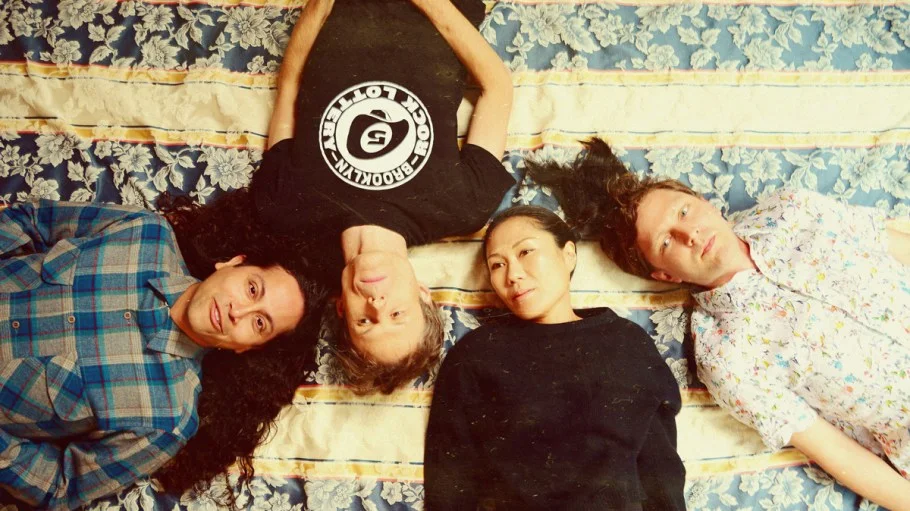
When asked how a Deerhoof song usually takes shape, they replied: “There is no typical Deerhoof song.” There is no typical Deerhoof song, and no fixed method. Each of the four members brings in ideas, and they decide, one by one, what should be done with them. Every song is case-by-case. This also explains why Deerhoof’s music often feels as if it is temporarily assembled from different materials and emotions. It does not begin from a clear blueprint, but slowly grows into its own shape through collision.
▍A Monster Growing Out of Sound
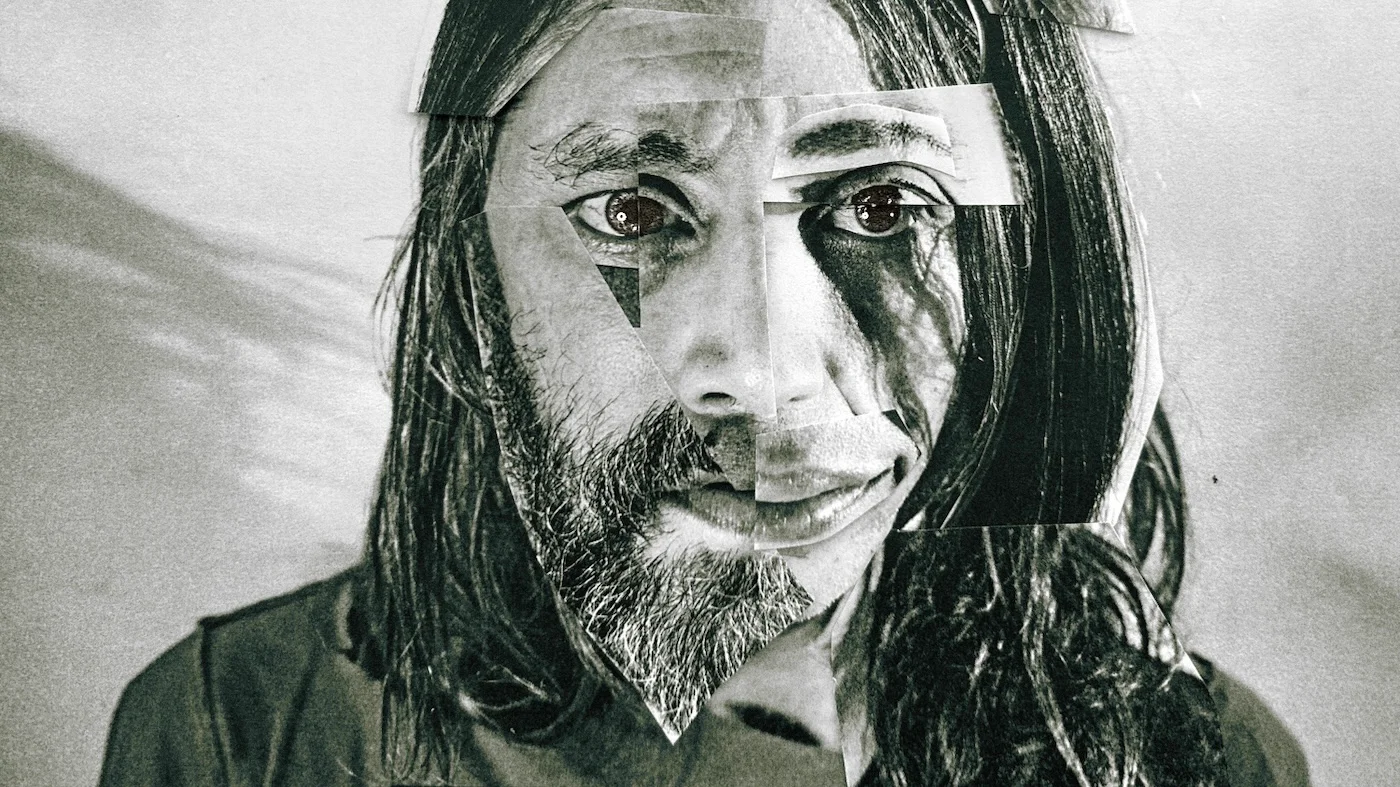
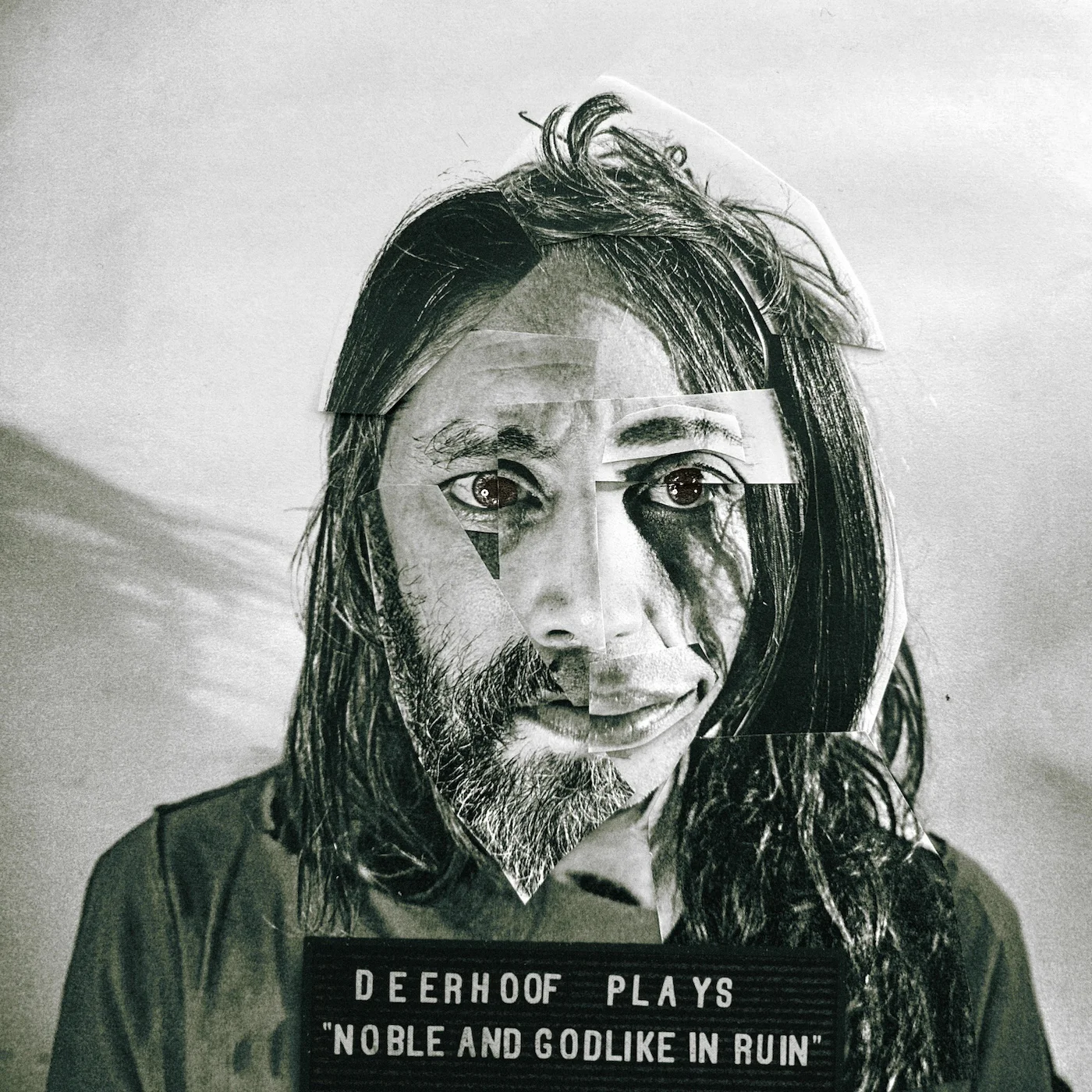
By the time we arrive at their 2025 album, Noble and Godlike in Ruin, that shape has become a monster.
The album did not begin from a pre-designed concept. Each of the four members had made some rough demos. After listening to them, vocalist and bassist Satomi Matsuzaki said they sounded like Frankenstein. At first, the others did not quite understand what she meant. But during the following tour, they began listening to an audiobook of Mary Shelley’s Frankenstein, and eventually realized that Satomi was right.
“We realized she was right. We loved the book. The whole album is based on this character and story.”
In other words, the idea of the monster was not inserted into the album in advance. It was heard within those scattered, rough, unfinished sounds.
When listening to Noble and Godlike in Ruin, the first sense of “monstrosity” does not come from the album concept, but from the sound itself. The guitar, drums, voice, and noise seem like different body parts temporarily joined together. The songs often make a sudden turn just as they are about to stabilize. Strangely, even within such fractured sound, Satomi Matsuzaki’s voice still retains a lightness almost like a nursery rhyme.
This contrast also appears in the lyrics. In “Immigrant Songs,” the line “But you think we’re in your house” sounds as if it is responding to those who see immigrants as outsiders: you think we have entered your house. The following line, “You are mistaken,” directly reverses the question: who gets to claim that this place is “theirs”? Deerhoof do not write politics as a heavy declaration. Instead, they hide it within lightness, absurdity, and even a party-like sound, until it suddenly cuts through.
▍Dignity in the Ruins
The monster in Frankenstein is a being that has been stitched together, named, misunderstood, and rejected by its own creator. Brought back into Deerhoof’s music, this monstrosity is not only about sonic collage and fragmentation. It becomes a deeper political fable: who is seen as a complete human being? Who is treated as a mistake, an outsider, a threat — someone who can be deported, erased, or silenced?
The album title Noble and Godlike in Ruin comes directly from Mary Shelley. The phrase carries a feeling of both grandeur and collapse, like something divine standing inside a ruin. When asked what kind of “ruin” they were thinking about while making the album, Deerhoof answered directly.
They said they were especially thinking of people who are dehumanized, deported, or targeted for genocide because of their race, religion, beliefs, or income.
“We wanted to celebrate the dignity of people who are targeted by the powerful.”
This may be the most important key to understanding the album. Noble and Godlike in Ruin is not simply about collapse, nor is it indulging in a dark, apocalyptic imagination. It wants to celebrate the dignity that remains in those targeted by power. Here, the monster is no longer merely a figure of horror, but a name produced by power. Those who are called outsiders, inferiors, dangers, or people who do not deserve to stay are precisely the ones this album wants to look at again.
▍Not Protest, but Celebration
For this reason, their relationship with politics cannot be summed up simply in the few words “protest music.”
From 2017’s Mountain Moves to their decision to leave Spotify in 2025, Deerhoof’s social engagement has always been clear. Mountain Moves has often been seen as a response to the political climate of the Trump era. Later, after Spotify CEO Daniel Ek invested in Helsing, an AI military technology company, Deerhoof decided to remove all their music from the platform. On the surface, all of this can easily be placed within the framework of “protest.” But when asked whether Deerhoof’s idea of protest has changed over the years, they corrected the question instead.
They said that Deerhoof’s music has been overtly political since their first 7-inch single in 1995.
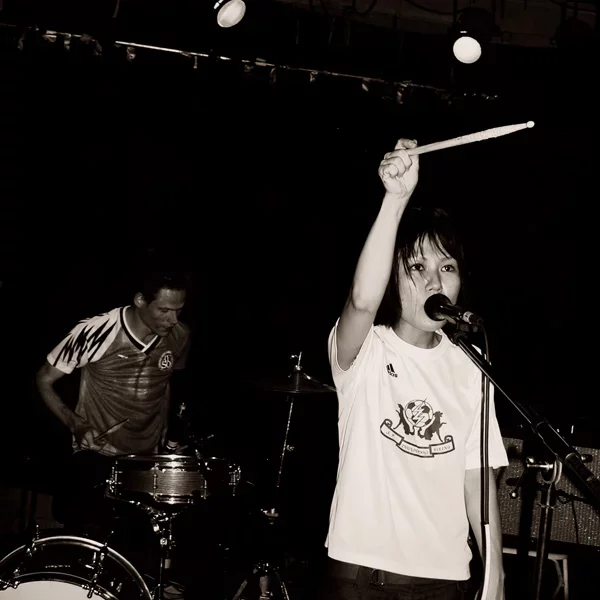
“But I don’t think we make protest music. We are expressing that we are here. We may not always be in the mainstream, we may not be superstars, but we are here. That’s not a protest, that’s a celebration.”
This pushes Deerhoof’s politics from “opposition” toward another level. For them, music is not only about stating what they oppose, but about expressing that they still exist. They may not be mainstream, they may not be superstars, they may not be the kind of music most easily recommended by platforms, but they are still here. This “being here” is not a compromised form of existence, but a celebration: a celebration of sounds that have not been completely absorbed by the mainstream, and that can still grow in their own way.
Looking back at those first three keywords, flowers, fruits, and animals are non-human, growing, decaying, and operating outside the classifications of platforms. Add to them a monster rising from the ruins, and Deerhoof’s world becomes a broken children’s fable: one filled with play, life, untimely sounds, and wounds produced by power.
They are simply saying: we are here.
Like flowers, fruits, and animals. And like a monster stitched together from the ruins, still opening its mouth to sing.
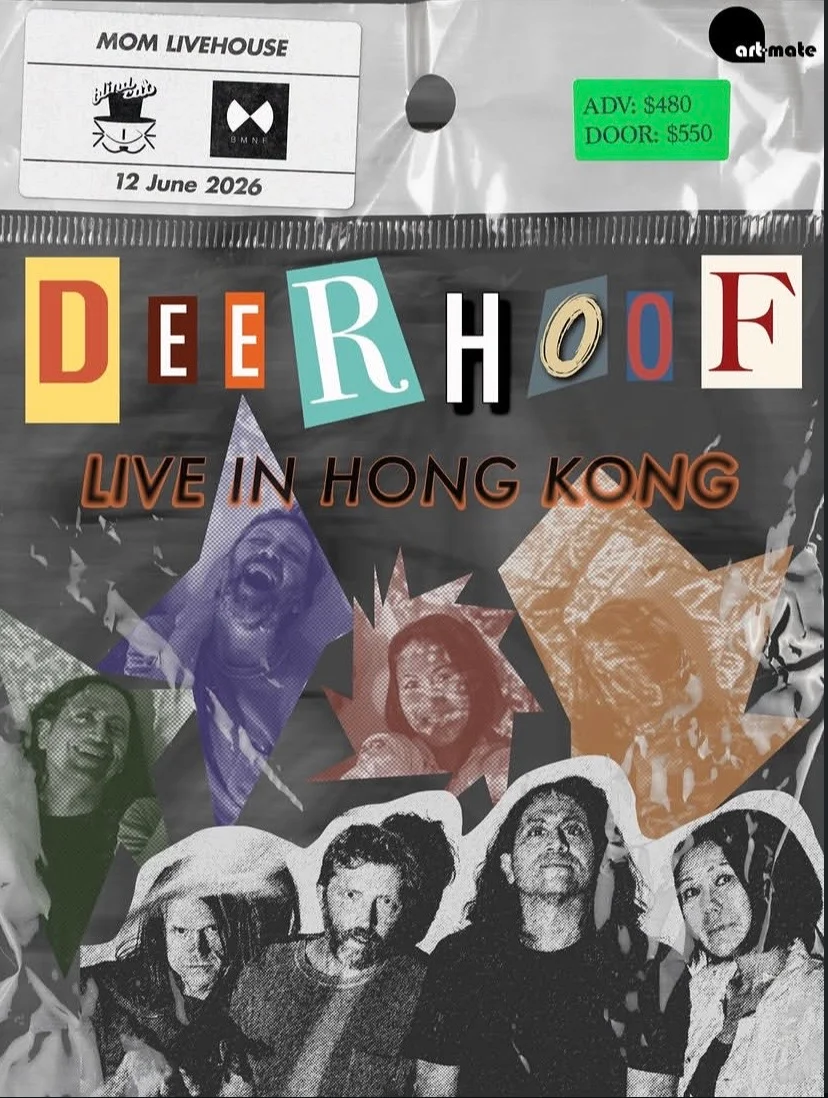
Deerhoof - The Bio Fantasy Tour - Hong Kong
Date: 12th June 2026
Venue: MOM Livehouse
Time: 8pm Door Open
Early Bird: HKD $480
Door Tix: HKD $550
Ticketing: www.art-mate.net