Hong Kong Interview|Envy Interview: An Unchanging Core in a Changing World
Updated at: 2026-08-17
Authors: Cen.
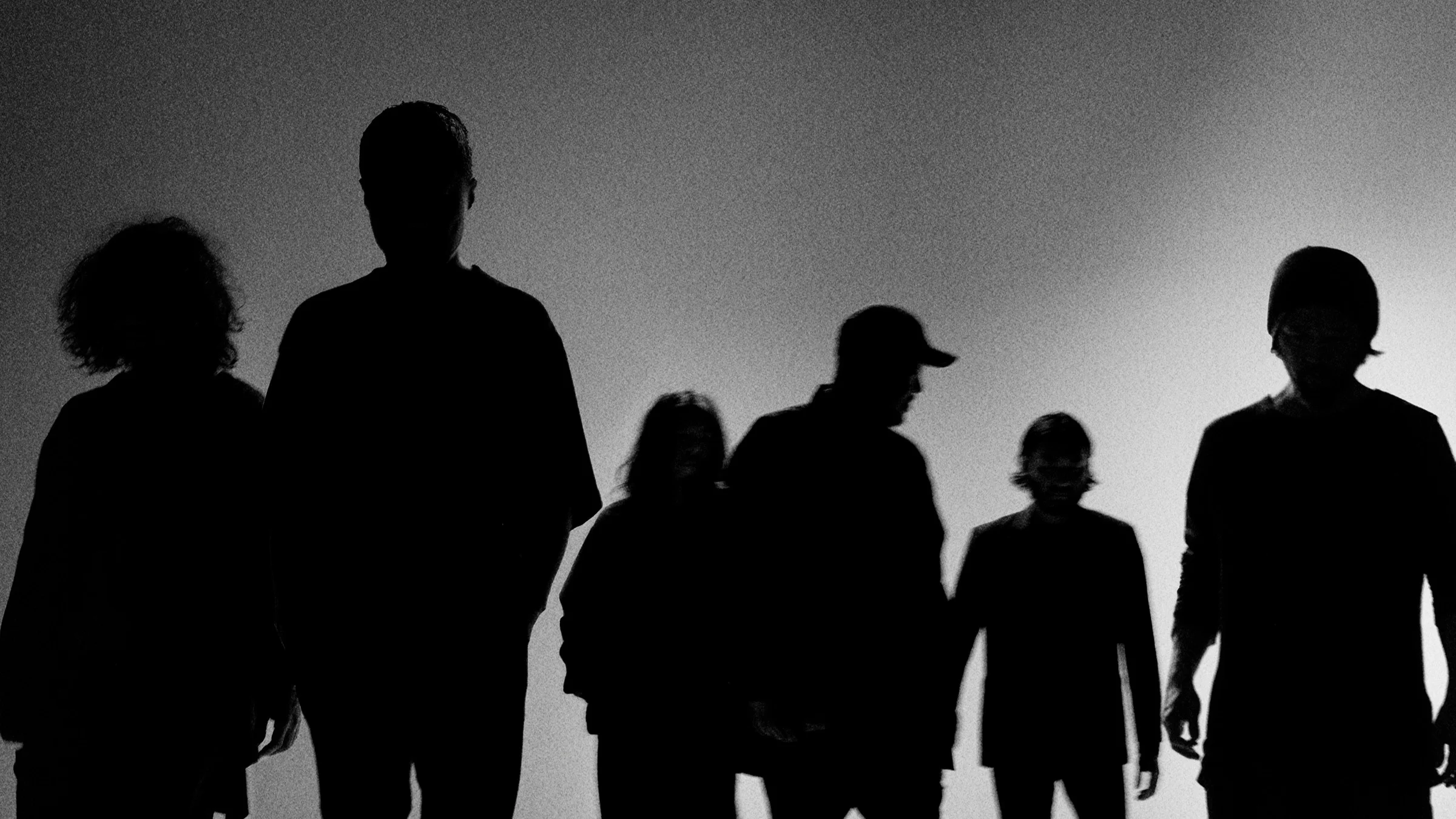
For over three decades, Envy has shaped their sound between noise and silence, despair and hope. From the 1990s to the present, the band’s creative environment has continued to evolve, yet their commitment to emotional honesty, mutual connection, and the resonance of live performance remains unchanged. As Envy returns to Hong Kong, we speak with the band about their memories of the city, lineup changes, and the contradictions, struggles, and hope expressed throughout their album Eunoia.
Q1: Envy has performed in Hong Kong four times between 2000 and 2019. What do you miss most about performing here, and what memories of the city still stand out to you?
A1: We have had several opportunities to perform in Hong Kong, and each show had its own distinct atmosphere. They all remain vivid in my memory.
What stands out most is the intensity of the audience. Even though we spoke different languages, their responses to the music and the way their emotions came across were incredibly direct. While performing, we felt a strong sense of unity. After the shows, many people came up to speak with us and told us that they had continued listening to our music for a long time. That was truly encouraging.
The city itself was also very captivating. I was struck by the contrast between the urban landscape, with its rows of high-rise buildings, and the older streets and traces of everyday life that remain when you step into the alleys.
Q2: Following the lineup changes and Tetsuya’s return in 2018, how has the energy, emotion, and the way you connect on stage evolved?
A2: I think the changes in 2018 were not simply a matter of replacing members for us. It gave us time to reconsider the very nature of the band and what it meant for Envy to exist.
With the new lineup, we did not feel that we were “returning to the Envy of the past.” Rather, we had a stronger awareness that we were bringing together the time and experience each of us had accumulated in order to create a new Envy.
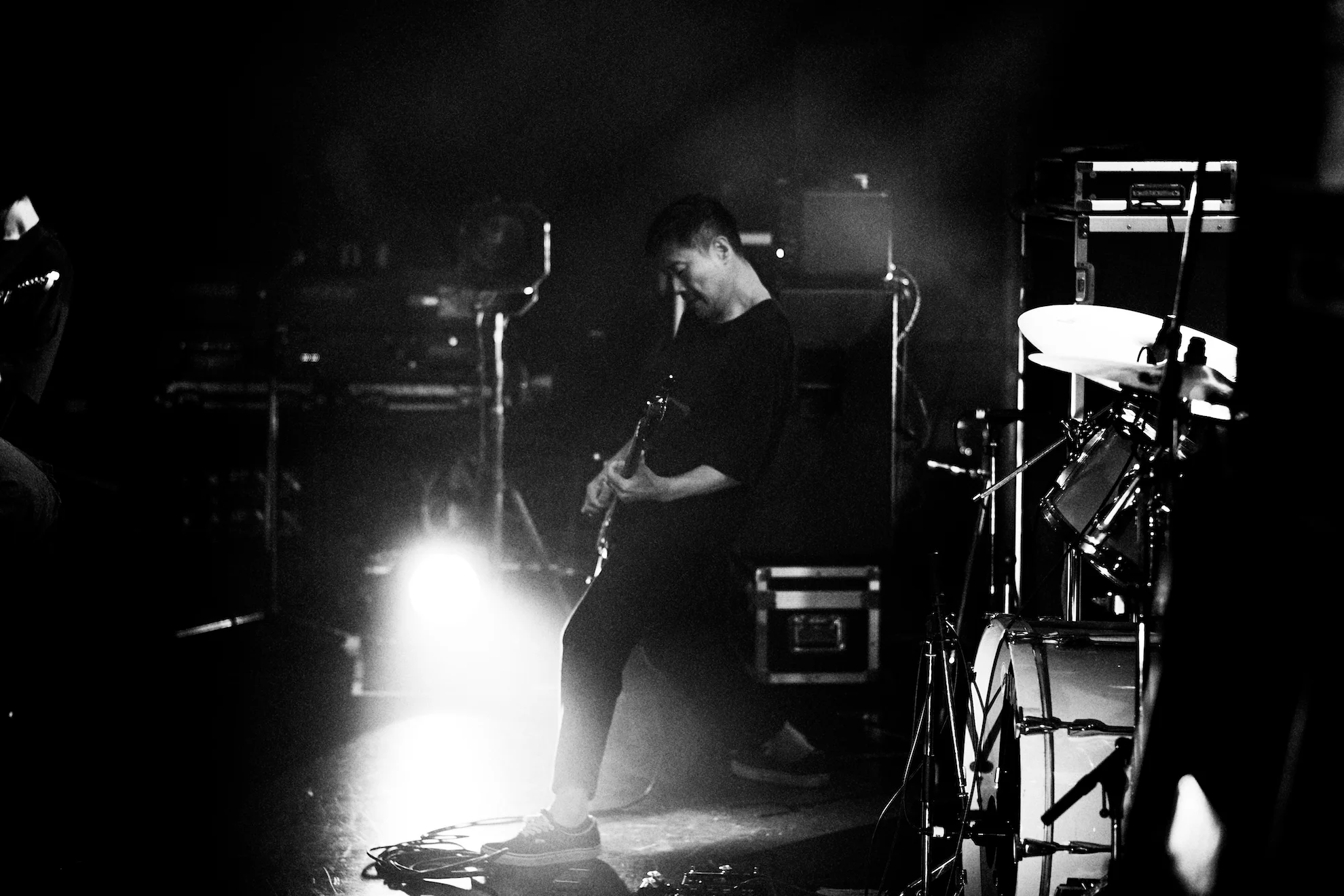
The energy onstage has also changed somewhat. In the past, impulse and a sense of urgency were often pushed to the forefront. Now, they are accompanied by a deeper trust in one another and the space to listen carefully to each other’s sounds. As a result, I feel that we are able to express deeper emotions and greater dynamics while retaining the same intensity.
Q3: Envy has been active for over three decades. How has your songwriting process adapted from the scene in the ’90s to today’s digital era?
A3: Over the course of more than thirty years, our production environment has changed dramatically. In the 1990s, the process mainly involved gathering in a studio and experimenting together while everyone played. Recording and editing were not as flexible as they are today, so the accidents and momentum that emerged in the moment were often reflected directly in the songs.
However, the most important aspect of Envy has remained unchanged. No matter how convenient the production environment becomes, we ultimately still play together in the same space, completing the songs while confirming the atmosphere and emotions that arise in that moment. Technological progress is a tool that supports the creative process; I believe that communication between people remains the most important element at the core of music.
Q4: The final track of your latest album Eunoia, “January's Dusk,” feels like a cathartic journey from struggle toward inner peace. Were you intentionally guiding the listener from darkness into light, and how does that relate to the album’s wider themes?
A4: We did not have a clear intention to guide listeners “from darkness into light.” Rather than presenting listeners with a single answer, we want to create music that allows each person to overlay their own emotions and experiences onto it.
That said, I think “January’s Dusk” contains something like acceptance and hope that comes after confronting feelings of conflict, loss, and loneliness. It is not salvation, but rather something closer to the will to move forward—while embracing the darkness itself, without denying it.
One of the broader themes of Eunoia is the coexistence of opposing emotions and contradictory flows of the heart. That is why it feels meaningful for “January’s Dusk” to appear at the end of the album. It is not an ending in which every question is resolved, but we wanted to close the record with the feeling that, even if only slightly, one’s view begins to open up.
Q5: Envy’s music has always navigated contrasting extremes—anger and calm, hope and despair. Has your personal understanding of hope and despair shifted over the years, and how is that reflected in your current sound?
A5: When I was younger, I think I saw hope and despair as more directly opposed to each other. If I felt intense anger or a sense of loss, I had the impression that hope existed on the other side of it. Much of the music we made at the time reflected that full swing between extremes.
As the years passed, however, I began to feel that the two were not separate at all, but things that always existed side by side. Even within deep despair, there can be a small amount of hope; conversely, hope inevitably contains anxiety and fragility. As I have grown older, I have come to understand more deeply that human emotions are far more ambiguous and complex.
There has always been a coexistence of light and shadow in Envy’s music. But now, rather than expressing the idea that “hope lies beyond despair,” we feel more strongly about using sound to express what it means to live while carrying both at once—the complexity and beauty of that experience.
Q6: Envy’s music carries such intense emotions, yet daily life is often quite mundane. When life feels too repetitive, where do you look for that inspiration?
A6: I am influenced more often by ordinary everyday life than by extraordinary events. Everyone experiences moments when each day feels like a repetition of the same things, and I have gone through such periods myself. But even within that repetition, there are always subtle changes: the passing of the seasons, the scenery of the city, casual conversations with other people, and the fluctuations within one’s own heart.
For me, the most important thing is not to overlook those fleeting sensations and emotions. I believe music does not emerge only from exceptional experiences. Rather, it often takes shape naturally through the accumulation of ordinary, everyday moments. Even within a quiet, mundane daily life, there are certainly inexpressible struggles and beauty, loneliness and hope. I think what we do is give those emotions—ones that might ordinarily go unnoticed—a form through sound.
Q7: Envy has a global fanbase, many of whom don’t speak Japanese. When writing your songs, to what extent do you consciously intend to deliver those intense emotions across language barriers?
A7: Continuing to sing in Japanese is a very important choice for Envy. I believe that the emotions and nuances we truly want to convey can be expressed most naturally precisely because Japanese is our mother tongue.
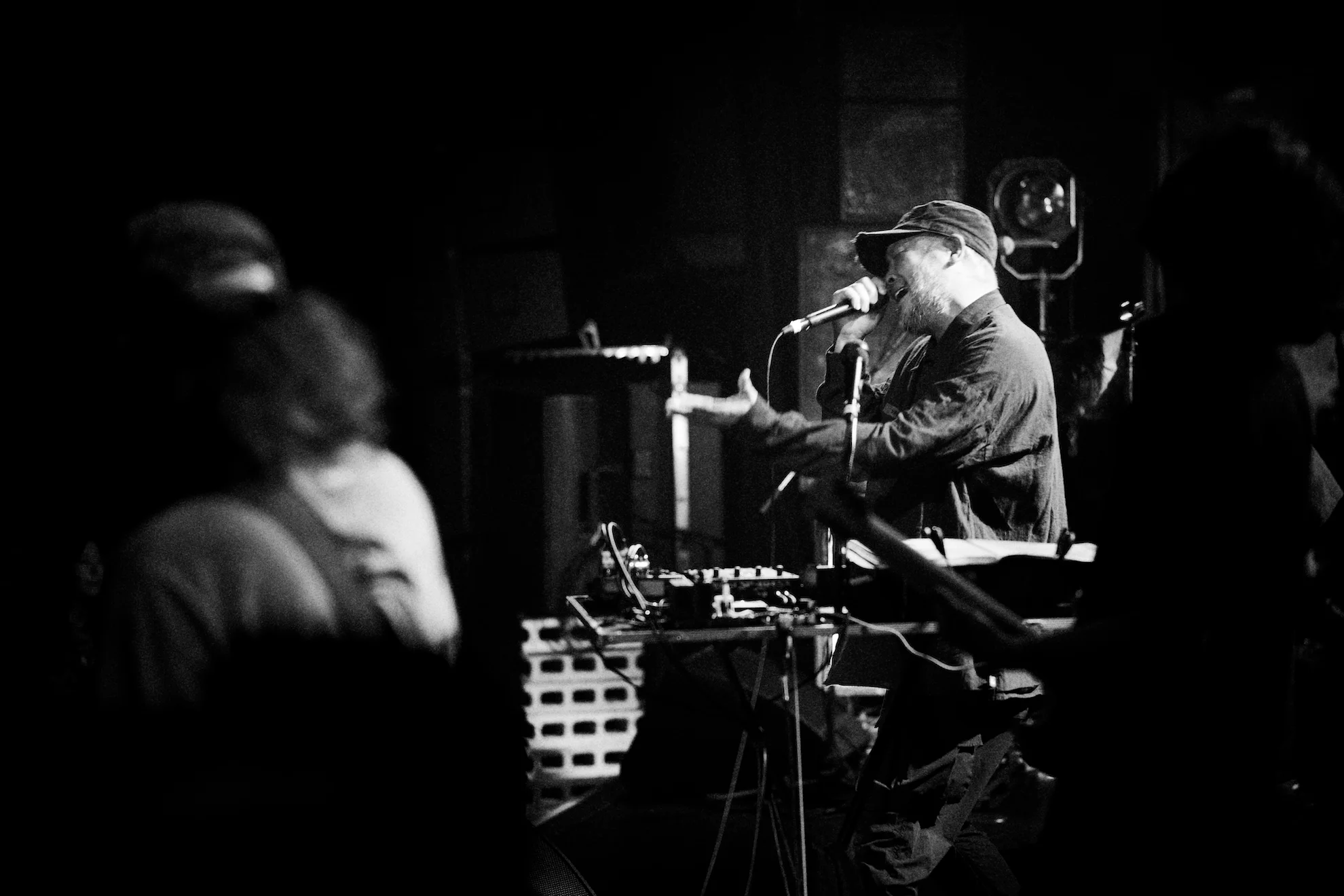
At the same time, whenever we perform overseas, we see so many people deeply connecting with our music despite not understanding Japanese. Every time, it reminds us that music has a power that cannot be fully conveyed through words alone—a power that transcends language. That is why, when creating music, we place great importance on being as honest as possible with our own emotions. I believe that honesty can reach beyond language through the performance, melodies, and dynamics.
Lyrics are an extremely important element for Envy, but a work is not completed through lyrics alone. We see the words and the sound, as well as the spaces and atmosphere between them, as a single, complete work. It brings us great joy that people around the world can sense that “space” and those “emotions” even if they do not understand Japanese.
Q8: Ultimately, what feelings or thoughts do you hope listeners take away from your music?
A8: We do not want to impose any particular emotion or answer on our listeners. Even when listening to the same song, it is perfectly fine for each person to receive it in a completely different way, depending on their circumstances and the point they have reached in life.
Life contains joy and sadness, hope and despair. It is not about choosing one side or the other; the fact that contradictory emotions can exist simultaneously is precisely what makes us human. I do not think music is something that changes people. I think it is something that stays close to their hearts. We hope Envy’s music can exist within each listener’s life and be there for them when they need it. That is what we wish for.
Q9: Finally, what is your message to the audience ahead of your return to Hong Kong?
A9: We would like to express our heartfelt gratitude to everyone who has continued listening to our music for so long and waited for the day we would return to Hong Kong. We also have many wonderful friends there.
We are truly looking forward to sharing time and space with everyone once again. Even as the years pass, being able to reunite through music has a special meaning for us. We would be very happy if we could share with you the emotions and atmosphere that can only be created in that particular moment.