Feature|After Hardcore: The Underground Routes of Emo, Screamo and Post-Hardcore
Updated at: 2026-08-12
Authors: GIGzine
Emo, screamo and post-hardcore have relatively clear names today. In the years when these sounds first emerged, the boundaries were far less settled.
Many of the bands involved simply belonged to hardcore: playing small venues, releasing records through independent labels, and sharing musicians across different groups. The music often changed long before a name arrived to describe it.
From Washington, D.C. and San Diego to Tokyo, Taipei and Hong Kong, successive generations would keep rewriting what hardcore could sound like.
Before You Read
Hardcore: a fast, live-driven underground rock tradition, held up by 1980s DIY networks.
Emo: keeps hardcore's speed, adds more personal, vulnerable writing and melody.
Screamo: emo's emotion collides with hardcore's intensity — vocals move from shouting to screaming, and structures can fall apart at any moment.
Post-Hardcore: hardcore taken apart and rebuilt — rhythm, guitar and song length no longer follow the original rules.
Four words, one root. The story begins in 1985.
▍Washington, D.C., 1985
Emotion Enters Hardcore
American underground hardcore in the early 1980s was built around short, fast songs and a culture centred on live shows and DIY networks. Around 1985, a group of bands in Washington, D.C. began writing differently within that framework.
Rites of Spring became one of the defining names. Vocalist and guitarist Guy Picciotto wrote openly about relationships, doubt and personal experience. The speed of hardcore remained, but melody and dynamic range became far more prominent. Alongside Embrace, Gray Matter and Beefeater, they became associated with the period later known as Revolution Summer, and an early point of reference for both emo and post-hardcore.
Rites of Spring lasted only briefly. Picciotto and drummer Brendan Canty soon became part of another band whose influence would reach considerably further.
Fugazi: Beyond the Records
Fugazi took shape in the late 1980s around former Minor Threat vocalist Ian MacKaye, Joe Lally, Brendan Canty and Guy Picciotto.
By Repeater, the shape of hardcore had already been pulled apart. Bass lines could lead the song; two guitars left space around one another rather than filling every beat. Rhythms stopped, shifted and restarted, while ideas drawn from dub and funk entered the band's playing. In on the Kill Taker and Red Medicine moved further still, bringing noise, unusual guitar textures and increasingly open structures into the same vocabulary.
Fugazi's influence also existed beyond sound.
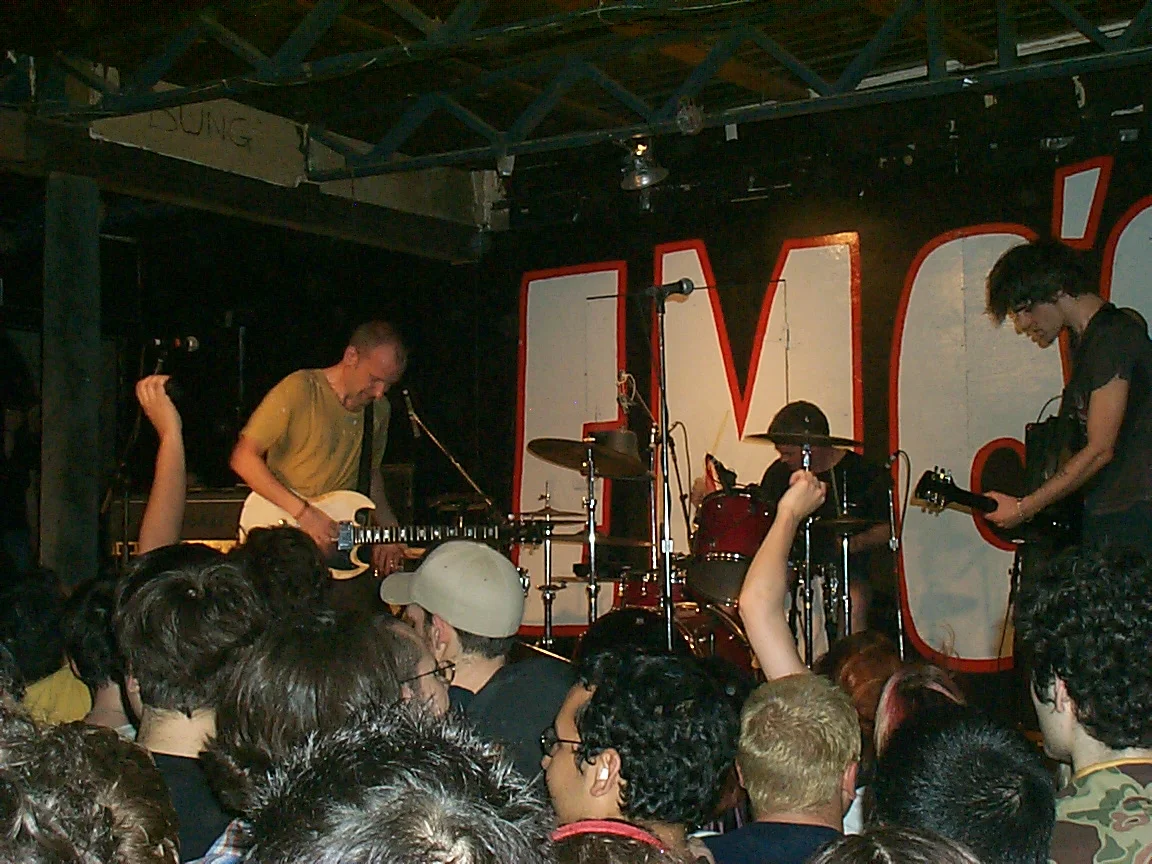
The band remained self-managed, released its records through Dischord, kept ticket prices low and strongly supported all-ages shows. Churches, universities, community spaces, gymnasiums and outdoor sites could all function as venues. Bars and conventional clubs were never the only option, and access to live music did not need to depend on age restrictions or high prices.
That approach travelled almost as widely as the records themselves.
Listen|Rites of Spring / Embrace / Fugazi
▍San Diego, 1991
Early Screamo Takes Shape
Hardcore on the American West Coast was moving in another direction.
In 1991, San Diego band Heroin released its first 7-inch, also the first record issued by the newly founded Gravity Records. Heroin and bands such as Antioch Arrow and Clikatat Ikatowi fractured the speed and structure of hardcore. Guitars grew increasingly dissonant, rhythms changed without warning, and hardcore shouting moved towards screams. Traditional verse-and-chorus structures became less important; songs often sounded as though they might lose their balance halfway through.
"Screamo" had not yet settled into a recognised term. These bands still existed within hardcore's underground network of shows, 7-inches and split releases.
By the later 1990s, the music had moved in several directions.
New York's Saetia left considerable room for melody and silence between eruptions. Orchid compressed hardcore, emo and near-grindcore velocity into shorter, denser songs. Virginia's Pg.99 became known for multiple guitars, overlapping vocals and chaotic live performances.
Screamo began in hardcore. Personal writing, melody and vulnerability associated with emo entered the music, while the structures, tempos and dynamics became increasingly unstable.
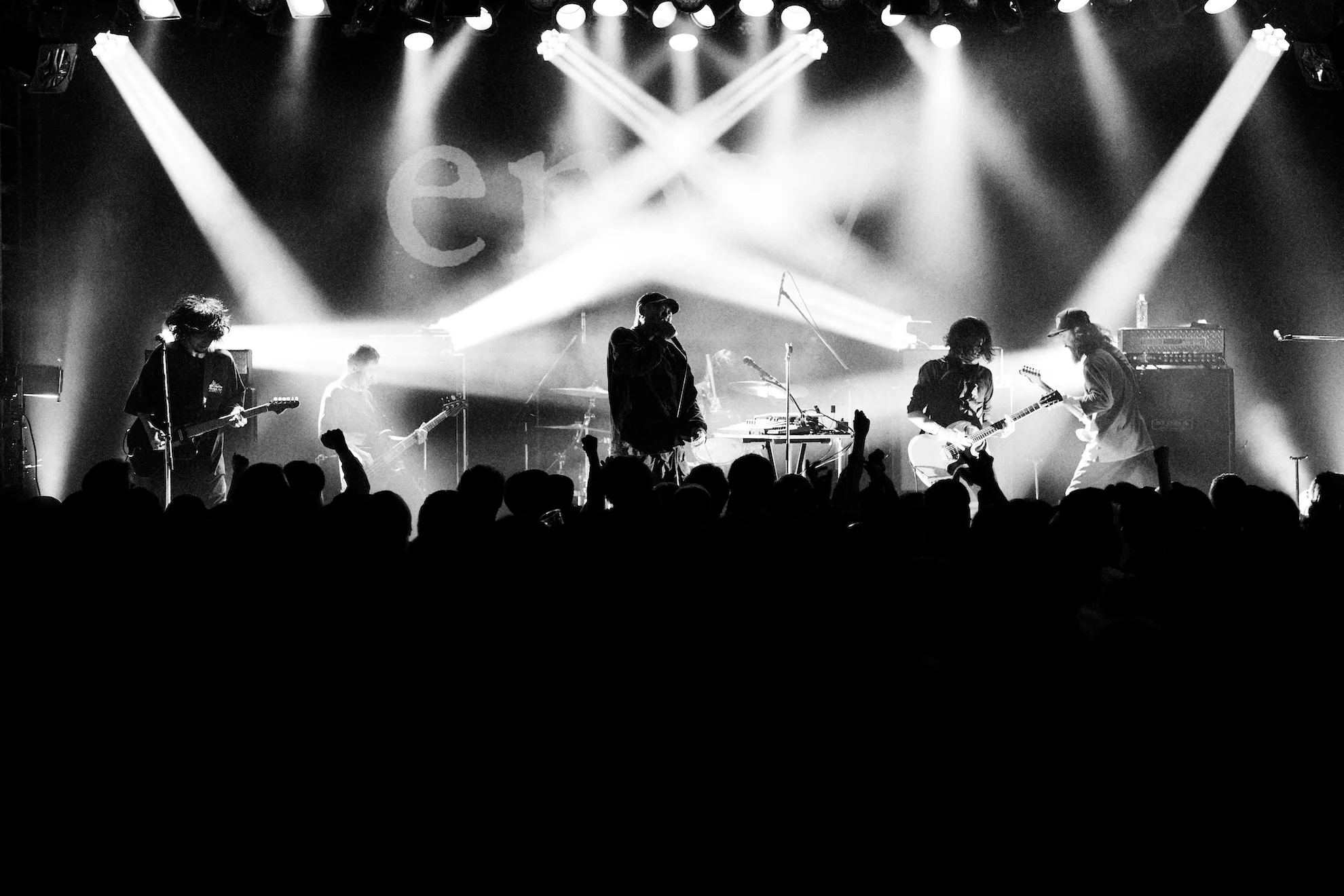
envy formed in Tokyo in 1992, almost simultaneously with the first generation of San Diego screamo.
Japan already had a substantial hardcore tradition of its own. Live houses, independent record shops, demo tapes, seven-inch records and small labels sustained the scene, while overseas punk and hardcore circulated through touring, mail order and record trading.
envy's beginnings were direct. Their earliest material consisted largely of short, fast hardcore songs, far removed from the extended arrangements for which the band would later become known.
The change became increasingly audible towards the end of the decade.
On 1998's From Here to Eternity, tempos began to slow and more space entered the songs. All the Footprints You've Ever Left and the Fear Expecting Ahead in 2001 retained violent hardcore passages while giving considerably more room to melody and duration. A Dead Sinking Story widened that contrast further in 2003.
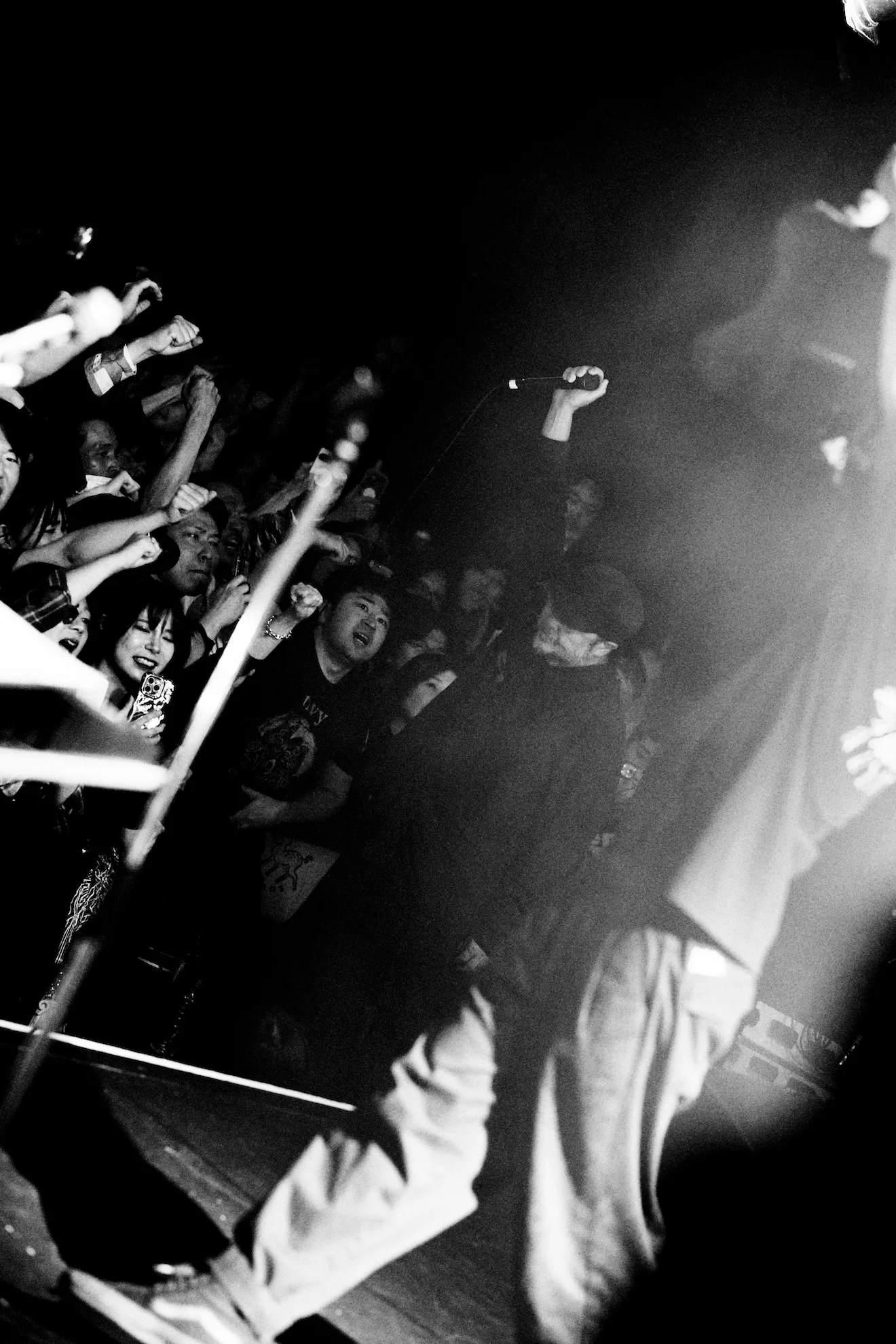
By Insomniac Doze in 2006, a song could remain with the same guitar progression for several minutes. Clean guitars repeated, drums and distortion accumulated gradually, and Tetsuya Fukagawa's spoken delivery could suddenly break into a scream. The extended structures associated with post-rock had entered the band's hardcore writing.
Around the same period, City of Caterpillar were stretching screamo in another direction in the United States, while Japan's Heaven in Her Arms would later take screamo, post-hardcore, post-rock and metal into heavier territory.
Listen|envy / City of Caterpillar / Heaven in Her Arms
▍From the 2010s to Now
Screamo Moves in Opposite Directions
By the 2010s, emo, screamo and post-hardcore had spread across a much broader underground-rock landscape.
Los Angeles band Touché Amoré, formed in 2007, became one of the most important groups of its generation. Early records retained the speed and brevity of melodic hardcore, while vocalist Jeremy Bolm wrote in a tradition closer to emo: anxiety, relationships, loss and self-doubt appeared directly in his lyrics.
Their 2016 album Stage Four became a defining work. Written around the death of Bolm's mother from cancer, it avoided turning grief into abstraction. Hospitals, phone calls, religion, missed conversations and guilt all entered a series of compact songs.
Later records such as Lament and 2024's Spiral in a Straight Line gave increasing room to alternative rock: melodies became more complete, guitars less crowded, and slower songs no longer functioned merely as pauses between heavier moments.
Elsewhere, another generation of screamo bands moved towards greater length and weight.
California's State Faults brought extended writing, psychedelic guitar, drone and post-rock into 2024's Children of the Moon. Songs could retreat from high-speed screamo into near-ambient passages before rebuilding.
Illinois trio Frail Body pushed in the other direction on Artificial Bouquet. Blast beats, dense distortion and black-metal guitar entered the music, while screamo's abrupt collapses and rebuilding dynamics remained intact.
Listen|Touché Amoré / State Faults / Frail Body
▍Taipei
Bands End; Scenes Remain
In the early 2000s, Fall of This Corner belonged to Taipei's punk, hardcore and emo underground.
After the band ended, vocalist-guitarist Hung Shen-Hao and Tang Shih-Chieh were among the musicians who formed Touming Magazine in 2006. Hardcore receded into the background; influences from alternative and indie rock—including Pixies, Superchunk, Cap'n Jazz and NUMBER GIRL—became much easier to hear.
Hung had not left the underground community that surrounded his earlier band. The music changed, while venues, audiences and musicians continued to overlap.
At roughly the same time, another Taipei network stayed closer to screamo and post-hardcore.
MIMOSA were active during the mid-2000s. After the band ended, members moved through groups including Use Pen to Sing, ASHEN and US:WE / Until Seeing Whale's Eyes.
Formed in late 2007, Use Pen to Sing continued from members of MIMOSA, FAKERY and related bands. Short hardcore sections, screams, noise and fractured arrangements made them one of the more abrasive entries in Taiwan's early screamo scene. They released a split with ASHEN in 2008 before ending around the following year.
US:WE / Until Seeing Whale's Eyes, formed in 2008, continued much longer. Early material retained screamo's abrupt shifts, while later work increasingly incorporated extended instrumental passages and the wider space of atmospheric post-hardcore.
Formed in 2010, 人 HUMAN BEINGS brought several of these musicians together again. Its members had previously played in bands including Fall of This Corner, FAKERY, MIMOSA, Use Pen to Sing, ASHEN and US:WE. The 2011 release ANIMAL used Taiwanese lyrics within hardcore and screamo—a rare linguistic record of this particular scene. In 2008, Touming Magazine, Use Pen to Sing and ASHEN even appeared on the same bill at Taipei's Underworld. Emo, indie rock, screamo and hardcore were never lived as completely separate worlds.
▍Hong Kong
Two Points Across Twenty Years
Emo and post-hardcore have never formed a particularly large scene in Hong Kong, but the thread has remained visible across the past two decades.
An Id Signal began playing in 2006 and released Known Strangers that same year. Post-hardcore, emo and screamed vocals have remained within their music, while longer instrumental sections often move towards post-rock. Cantonese is central: musical languages imported from overseas underground scenes became attached to Hong Kong's own relationships, city life and everyday experience.
The band has never operated at a rapid pace, with long gaps between records. Their third album, The Path Where Grief and Joy Intersect, arrived in 2025; by 2026, An Id Signal had reached its twentieth year. Within a local underground where bands are few and venues repeatedly disappear and re-emerge, that length of history is unusual in itself.
Wellsaid belong to another generation of Hong Kong independent music.
Their 2017 debut Setbacks leaned more clearly towards emo, indie punk and math rock: clean guitars, repeating melodic riffs and shifting rhythms were more prominent than weight.
Across Apart, Lurking and 2024's Regretopia, the guitars grew heavier, the rhythms more direct, and punk and post-hardcore moved further forward. Compared with An Id Signal, Wellsaid retain a more recognisable emo foundation, closer to the indie-emo language that re-emerged internationally during the 2010s.
The two bands appeared roughly a decade apart and do not need to sound alike. An Id Signal carried forward part of Hong Kong's mid-2000s post-hardcore underground; Wellsaid encountered the same vocabulary after emo had already gone through several cycles of revival.
Listen|意色樓 An Id Signal / Wellsaid
▍Four Decades On
From Rites of Spring and Fugazi in Washington, D.C. to Heroin in San Diego; from Saetia, Orchid and Pg.99 to envy and Touché Amoré, and eventually to scenes in Taipei and Hong Kong, emo, screamo and post-hardcore have continually moved through neighbouring underground communities.
Bands break up and their members form new ones. Small labels disappear and others replace them. Venues close, and another room becomes a place to play.
The genre names remain. The music keeps changing.
Four decades later, people still call it emo, screamo and post-hardcore.
It simply no longer sounds like a reproduction of the 1980s or 1990s.
Live|envy
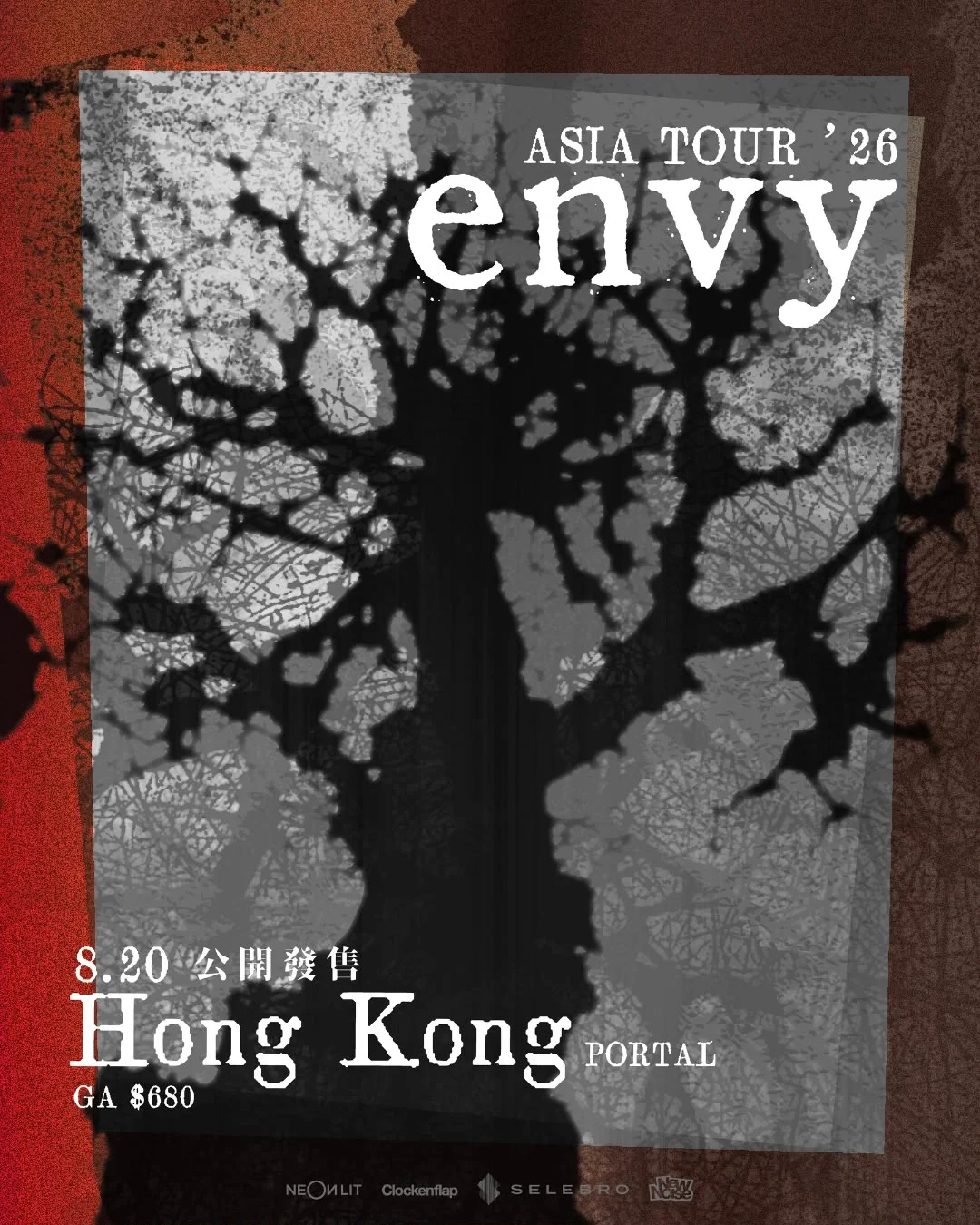
Four decades on, envy brings this route — one that began in Tokyo — to Hong Kong. However many of the names above ring a bell, you'll hear them again on August 20th.
Deeply rooted in the Hong Kong live music scene, GIGzine is committed to promoting local music culture. We provide the latest gig guides, alongside artist interviews and in-depth columns that explore the creative stories behind the music. Whether you're searching for your next gig or discovering new sounds, GIGzine is your starting point to connect with Hong Kong's music!