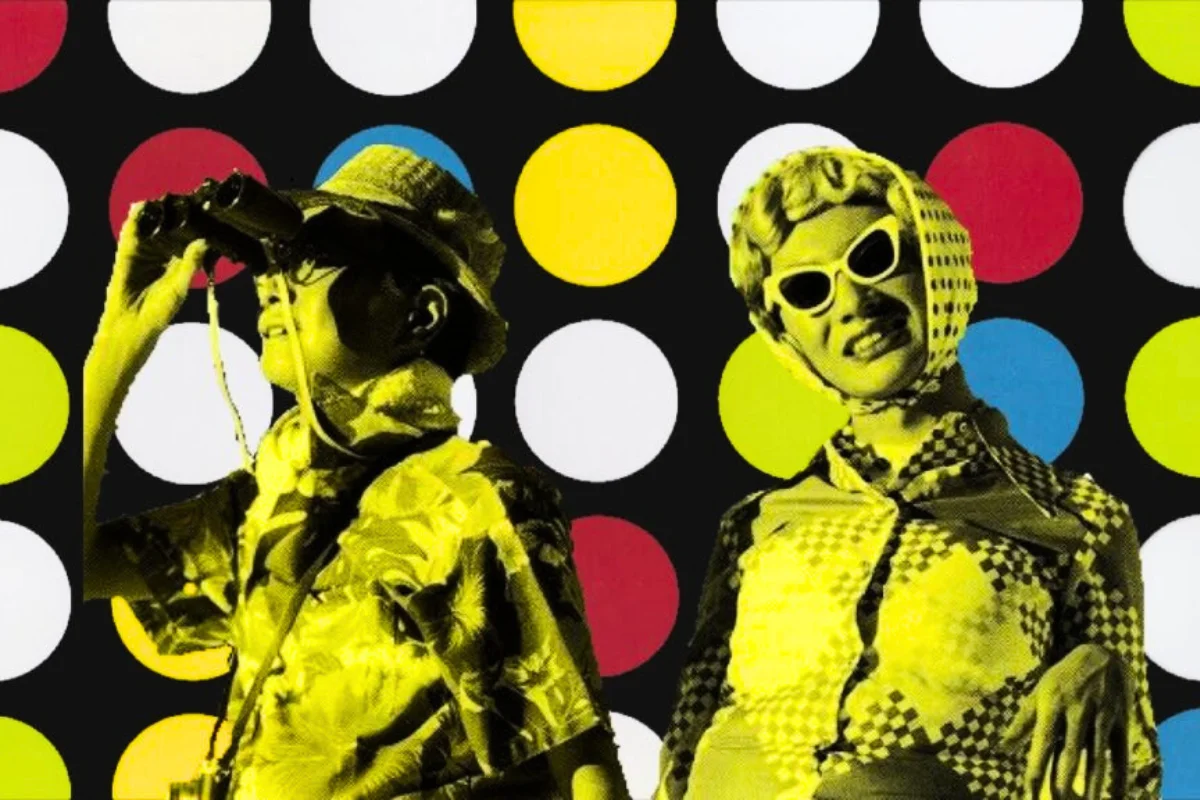
Convergence: The Collision of Shibuya-kei and mainstream Visions
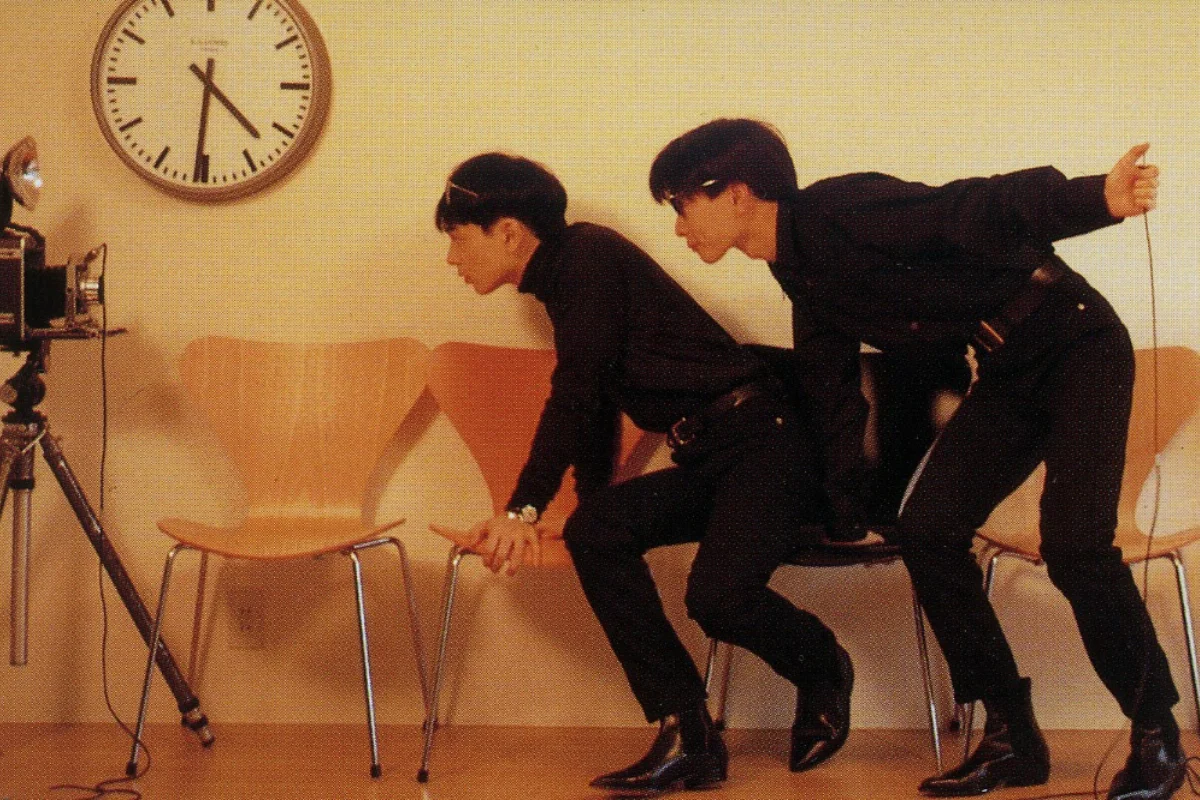
While the mainstream Japanese music scene in the 1990s was dominated by crisp, bright Guitar Pop, the urban-centric Shibuya-kei movement changed the landscape. Bands like Flipper’s Guitar, Salon Music, and Spiral Life began boldly deconstructing and reassembling Shoegaze elements—which were then booming in the UK—cleverly introducing this niche musical style into the mainstream consciousness.
As a pioneer of this movement, Flipper’s Guitar released their 1991 swansong, Doctor Head’s World Tower. The album showcased their precise grasp of British musical trends, blending Madchester dance beats, Acid House electronic effects, Shoegaze’s distorted walls of sound, Acid Jazz improvisations, and psychedelic atmospheres. The track
was clearly inspired by My Bloody Valentine's . However, instead of blindly chasing a thick wall of sound, they used samplers to repeatedly layer guitar feedback. This created an electronic atmosphere floating between chilly and psychedelic, becoming a classic example of the fusion between Shibuya-kei and shoegaze.
Hailed as the "Japanese Primal Scream," Venus Peter rooted their musical DNA in late-80s Guitar Pop, Indie Dance, and Madchester. Their admiration for British music was obvious, yet they never fell into mere imitation. Instead, they shared the same aesthetic axis as UK bands like Ride, Chapterhouse, Swervedriver, and Pale Saints. Their 1991 debut album, Lovemarine, not only inherited the elegance and wildness of British indie music but also triggered a massive resonance within the Shibuya-kei scene.
Transitioning from the 80s electronic New Wave scene, Salon Music always maintained a sharp intuition for the zeitgeist. In their 1995 album M*A*S*H*, they distilled MBV’s signature whispered, dreamlike vocals. The female lead singer’s drifting, ambiguous voice drifted through layers of dense, heavy walls of sound, beautifully outlining the spatial tension of modern urban loneliness.
In their early days, Spiral Life carried a heavy Madchester and Neo-Acoustic vibe, often drawing comparisons to Flipper's Guitar. However, in , the closing track of their 1995 album Flourish, they delivered a profound, heartfelt homage to MBV’s . The delicate, melancholic vocals intertwined with ethereal, fleeting melodies, transforming the floating sensation of Shoegaze into a landscape of ultimate beauty and solitude.
Even for the national-tier band Spitz, frontman and guitarist Masamune Kusano’s affection for My Bloody Valentine, Ride, and Slowdive is widely known. In 1991, their second album Namae o Tsukete Yaru (名前をつけてやる) happened to be released in the exact same month as MBV's Loveless. Built on a pop foundation, the album boldly integrated the concept of "Ride Kayō" (Ride-esque pop ballads), creating songs that fused shoegaze with Japanese pop styles. The guitar feedback in (胸に咲いた黄色い花) seemed to cast a layer of mist over the fresh melody, injecting a shade of deep, enigmatic shoegaze color into the Japanese mainstream.
Blossoming: A Spectrum of Youth Beneath the Noise
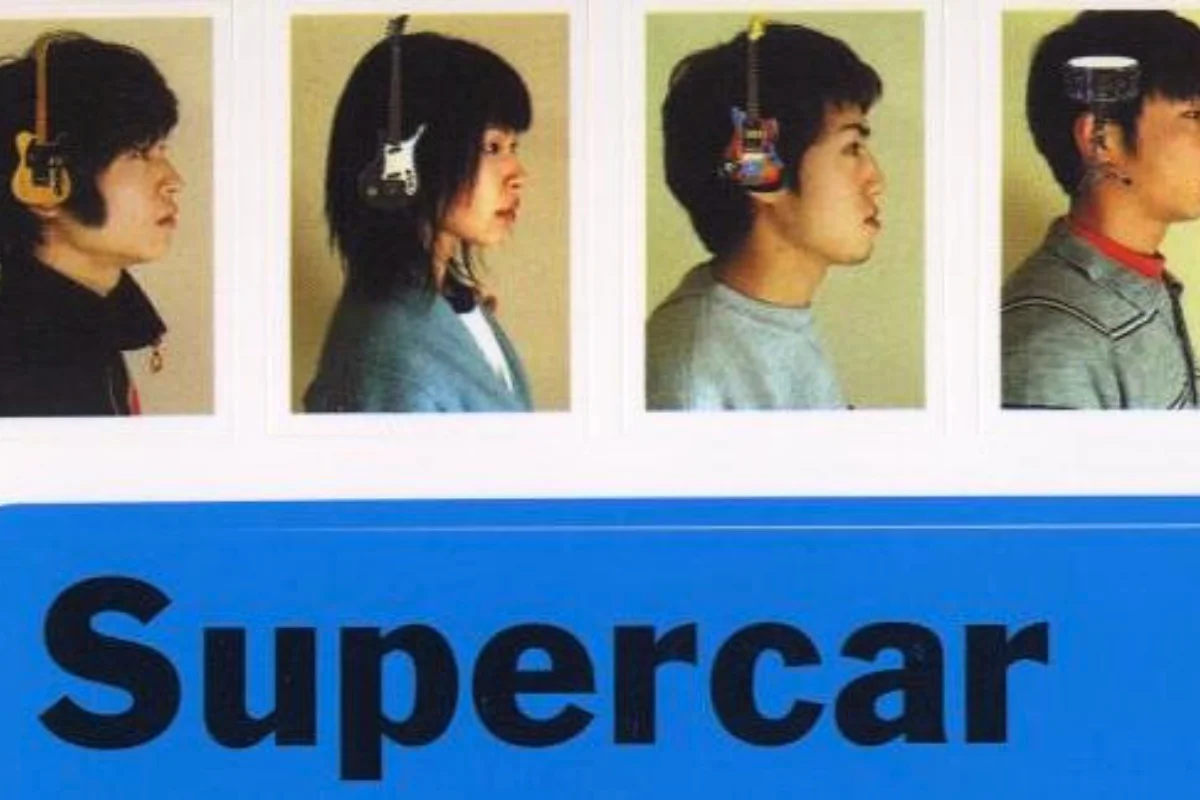
As the British Shoegaze wave gradually receded in the late 90s, a generation of Japanese youths—nourished by that sound but caught in the crosscurrents of Shibuya-kei and J-Pop—began constructing a uniquely Japanese sound between their effects pedals and melodies: one that was simultaneously warm and melancholic.
Fukuoka's Capsule Giants did not drown themselves in endless walls of noise. Instead, they cleverly blended Shoegaze with the freshness of Jangle Pop and C86. Their 1996 debut, Hey Cow-Planet, inherited the clean, bright melodies and shimmering guitar tones of 80s British indie bands, striking a wondrous, futuristic balance that felt almost like "The Pale Fountains meets Massive Attack."
If one were to define the absolute peak of 90s Japanese shoegaze, Supercar from Aomori is a name that simply cannot be bypassed. As icons of the "Generation '97," their early works were packed with unpolished, raw intuition. Their 1998 debut album, Three Out Change, used dense guitar noise to build a monument to youthful anxiety and purity. To this day, the standout track remains a sacred anthem for countless music lovers.
While other bands sought harmony within the noise, BP. operated on an extreme aesthetic akin to "holding a flower in the left hand and a blade in the right." In their 1997 mini-album Golden BP (ゴールデンBP), they unleashed a highly impactful musical style: the fluffy, sweet vocals of female lead singer Ichimaki coexisted directly alongside heavy walls of sound and death metal growls. Tranquility and fury, sensitivity and passion ran parallel. Like delicate petals overlapping a sharp edge, they carved out a unique, contrasting style where stiffness met tenderness.
Compared to the harshness and detachment of Western shoegaze, Japanese shoegaze often possesses an extra layer of intimacy and warmth, and Honeydip was the master of this trait. Their music featured vast spatial awareness paired with crystal-clear vocals. Their 2000 album, Another Sunny Day, reads like a melancholic diary capturing the end of late summer, pinning youthful sorrows onto the bright, clear reverberations of guitars. This unique trait—singing pop melodies while wrapped in a shoegaze coat—is precisely where the enchanting warmth of Japanese shoegaze lies.
Conclusion: Finding Light in the Mist
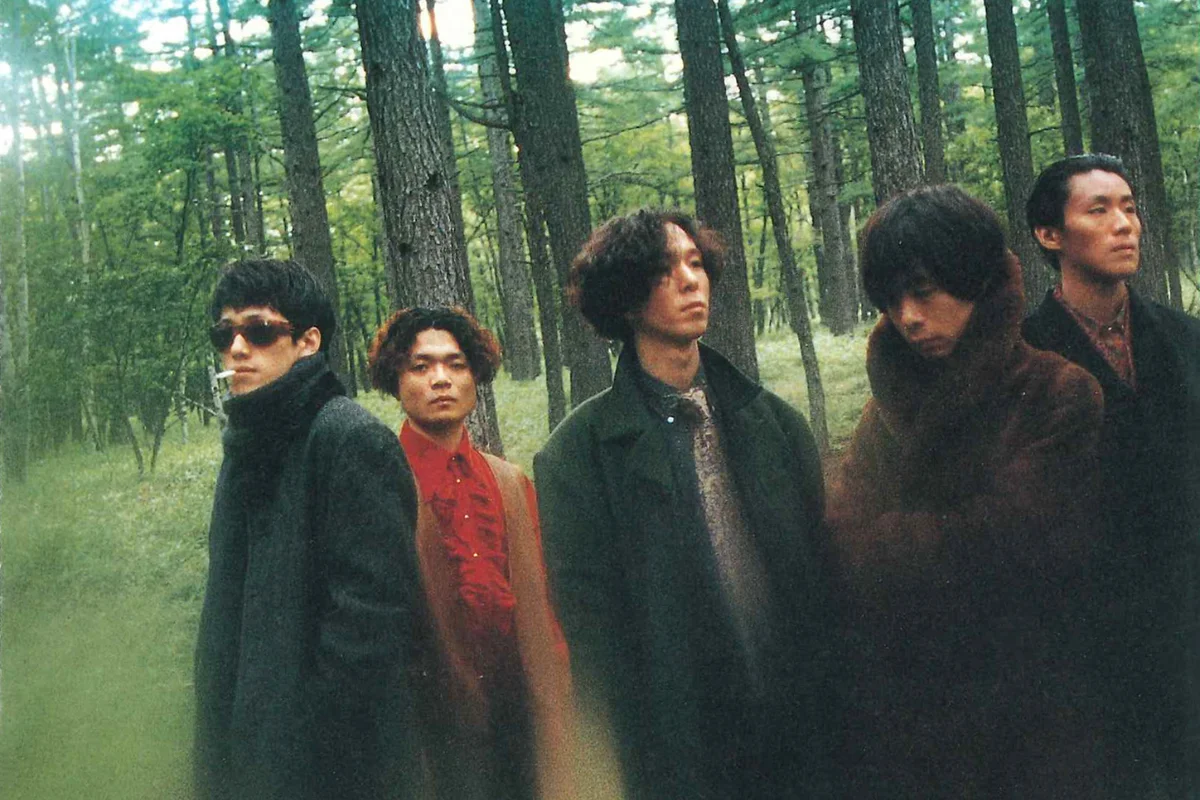
The Japanese Shoegaze of the 90s was never a simple copy-pasting of Western sounds; it was a gorgeous transformation and re-creation. These musicians stopped merely staring down at the effects pedals at their feet. Instead, they injected the melodic beauty and delicate emotions unique to Japanese music into the genre. This was not just the transplantation of a musical style, but a precious piece of history about internalizing foreign nourishment into one's own sensory language—finding their very own light amidst the mist.