The Scene That Celebrates Itself
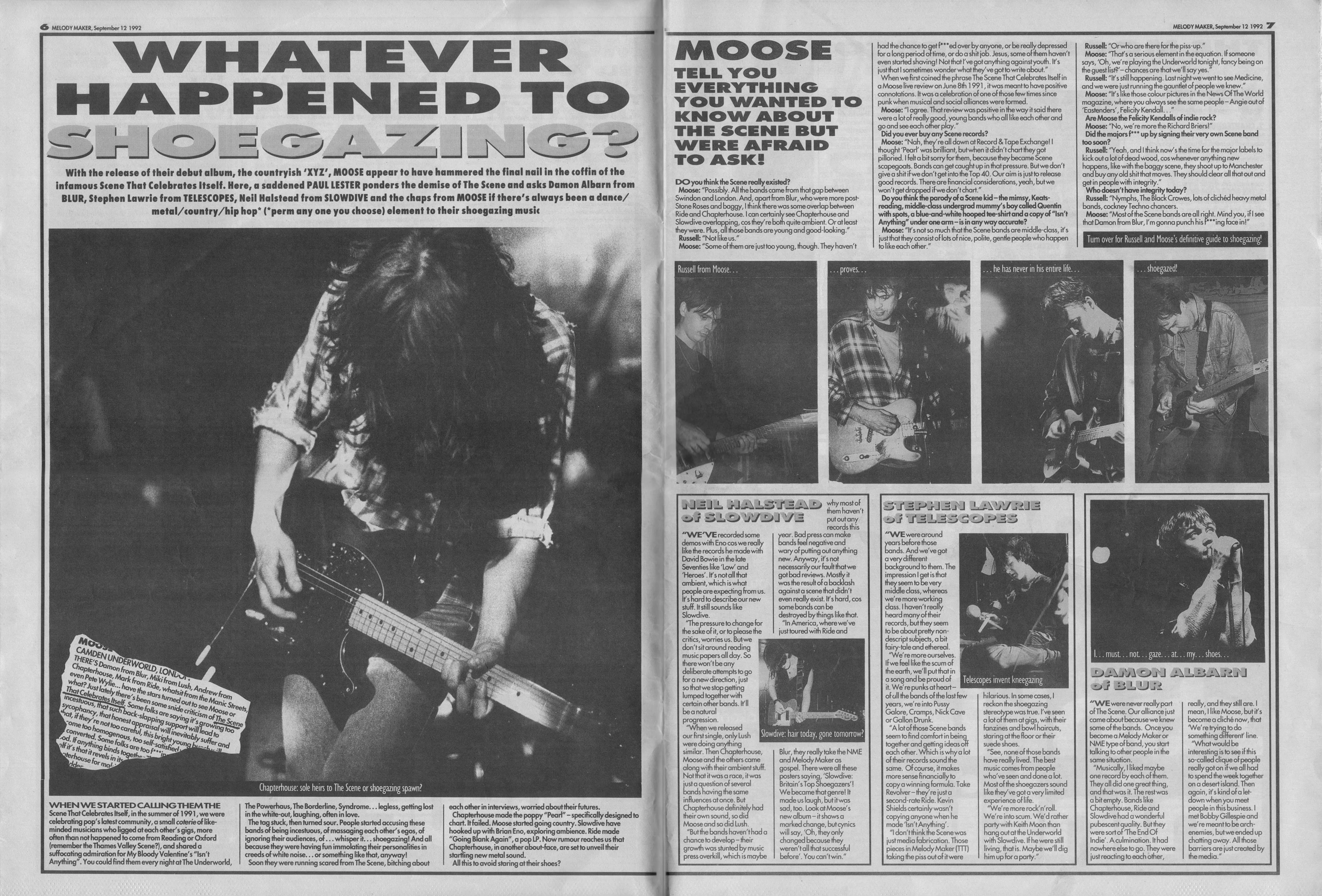
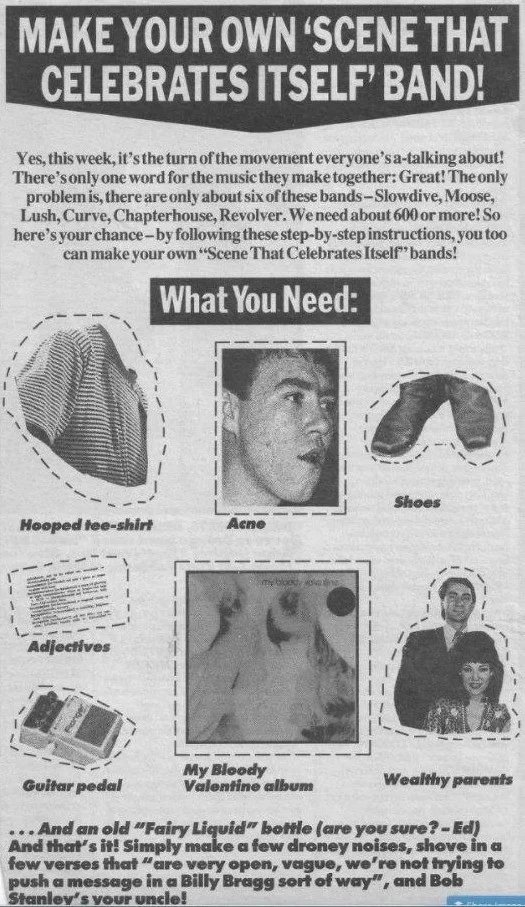
In the early 1990s, the British music magazine Melody Maker published a tongue-in-cheek "how-to guide" with a satirical headline: "Make Your Own 'Scene That Celebrates Itself' Band!" Half-seriously and half-ironically, the article listed the essential ingredients: striped T-shirts, shoes, acne, guitar effects pedals, a copy of My Bloody Valentine’s album, a handful of choice adjectives, and preferably, wealthy parents. It concluded with a cynical punchline: just pile up a few tracks of blurry noise and indistinct lyrics, and a Shoegaze band is born.
This borderline-mocking description reflected how the media back then misread Shoegaze, reducing it to a style-over-substance genre with vague content. Yet, it inadvertently captured the essence of Shoegaze: an almost entirely insular, self-indulgent state of mind. Musicians kept their eyes glued to the maze of effects pedals at their feet, maintaining a detached distance from the audience. Instead of chasing emotional releases on stage, they focused entirely on sonic architecture. Music was no longer just a medium for delivering a message; it became an extension of internal sensory perception.
It was precisely this "self-contained bliss" that turned Shoegaze into an extremely pure vessel for emotion. As distorted guitars and layers of feedback stacked upon one another, melodies became wrapped in mist, and vocals sounded like whispers from afar. The music stopped pointing toward reality; instead, it pulled listeners away from it—dropping them into a dreamscape that felt simultaneously blurry and real.
Driven by this very sonic aesthetic, Shoegaze drifted away from its British birthplace, quietly floating over to Japan, where it would be reinterpreted and transformed through an entirely different cultural lens.
The Birth and Sprouting of Japanese Shoegaze: The First Wave
 |  |
The 1990s was undeniably the golden age of British indie rock. Madchester fused dance beats with psychedelic rock; Britpop looked back to the guitar pop of the '60s and '70s; and Shoegaze took things a step further by weaving the soft textures of Dream Pop with the abrasive racket of Noise Pop, developing a deeply immersive sonic aesthetic.
This musical wave quickly crossed geographic boundaries and reached Japan. Young musicians then active around the Shimokitazawa and Kichijoji areas absorbed British indie elements through the country's dense live house culture. They gradually translated these influences into a style that resonated more closely with their own language and emotional structures. Thus, "Japanese Shoegaze"—characterized by delicate melodies and introverted emotions—began to quietly take shape in the underground scene.
Under the multi-layered influences of Shoegaze, Madchester, and Shibuya-kei, bands like Paint In Watercolour, Loco-Holidays, White Come Come, and Venus Peter emerged one after another. They weren't merely copy-pasting British sounds; rather, they infused the melodic sensibilities of Japanese pop into British-style guitar walls of sound, gradually carving out a softer, uniquely Japanese sonic aesthetic.
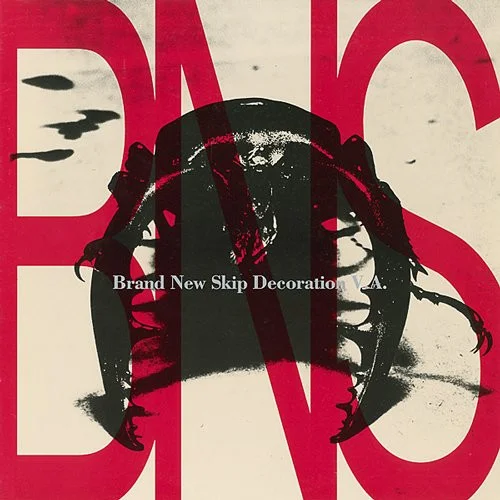
In 1992, the compilation album Brand New Skip Decoration V.A., released by the independent label Parco Sectary, became a landmark release for this Japanese wave. Built on the concept of "contemporaneity," the album brought together names like Venus Peter, Secret Goldfish, Paint In Watercolour, and Loco-Holidays. It served both as an answer to British movements like C86, Madchester, and Shoegaze, and as a milestone marking the Japanese indie scene's real-time dialogue with global music trends.
The Big Three of Japanese Shoegaze: Pioneers Who Shaped an Era
Among the many pioneers, Paint In Watercolour, Loco-Holidays, and White Come Come are frequently canonized as the "Big Three of 90s Japanese Shoegaze." Their works represent the earliest, most direct, and most concrete responses to the UK Shoegaze movement.
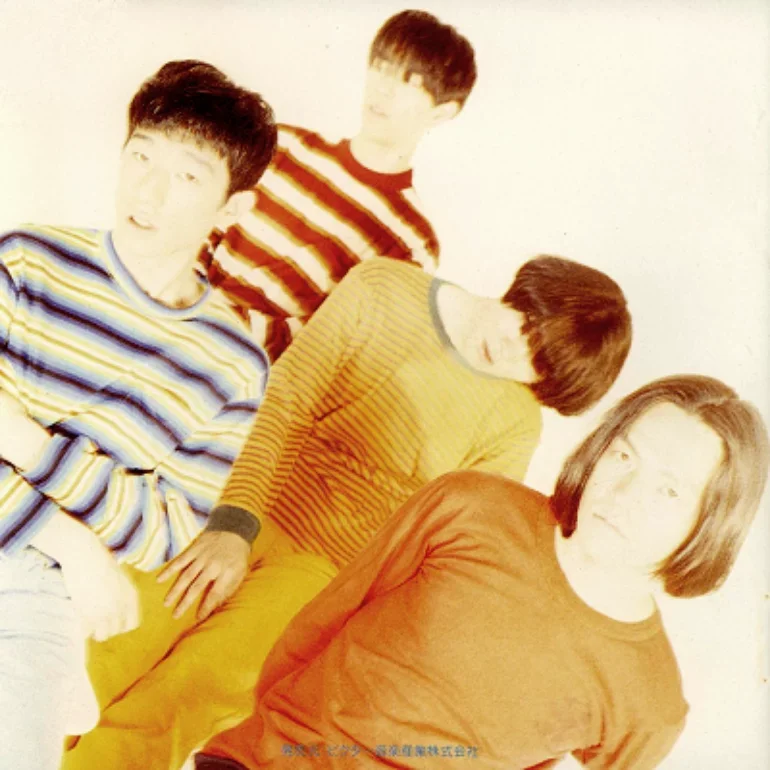
Hailing from Niigata, Paint In Watercolour was undeniably one of the movement's flagship acts. They are regarded not only as one of Japan's earliest Shoegaze bands but also as the very first Japanese shoegaze band to sign with a major record label (Victor Entertainment) and release a full-length album. Active in both releasing music and playing live gigs in the early '90s, their sound fused Shoegaze guitar noise, Madchester dance grooves, and Neo-Psychedelia atmospheres.
In 1991, just a month after My Bloody Valentine dropped Loveless, they released their debut album, Unknown. Sung entirely in English, the album featured dense, tightly woven guitar noise coupled with slightly raw yet highly distinct Japanese-accented English vocals. This blend gave the record an ambiguous character—stubbornly close to British indie, yet impossible to categorize completely. Even the album cover, with its blurry, out-of-focus silhouettes, subtly paid homage to MBV's Isn’t Anything, oozing a deep affection for British indie culture.
The band released their sophomore album, Velocity, the following year before entering a long hiatus. It wasn't until 2022 that they announced their return after 29 years with the release of the new track . They followed this up with a highly anticipated reunion show in Niigata in 2025, sparking widespread excitement among longtime fans.
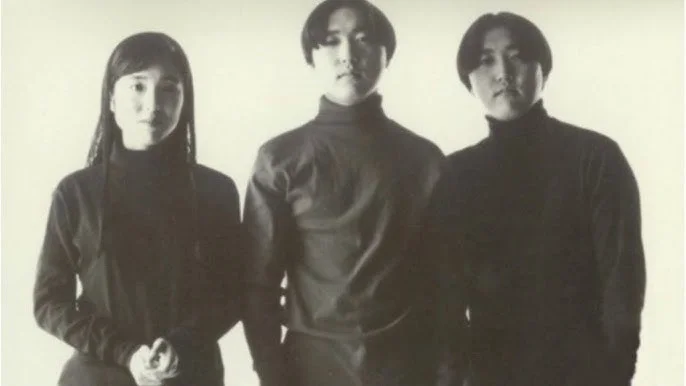
In contrast, Loco-Holidays took a noticeably softer sonic route. Their 1991 mini-album, Engine Flower, clearly inherited the dreamlike qualities of Slowdive and Pale Saints. Characterized by intertwining male and female vocals, the release featured a cover of The Velvet Underground’s , transforming the cold aesthetic of the original track into a warmer sound dipped in Japanese Dream Pop colors.
Following their disbandment, the members continued their musical journeys separately: female lead vocalist Hideka embarked on a solo career under the moniker Ruby Ruby Star, while the two brothers in the band remained active in groups like Starwagon and Penpals. A one-night-only reunion show in 2013 left fans with a brief but precious echo of their past brilliance.
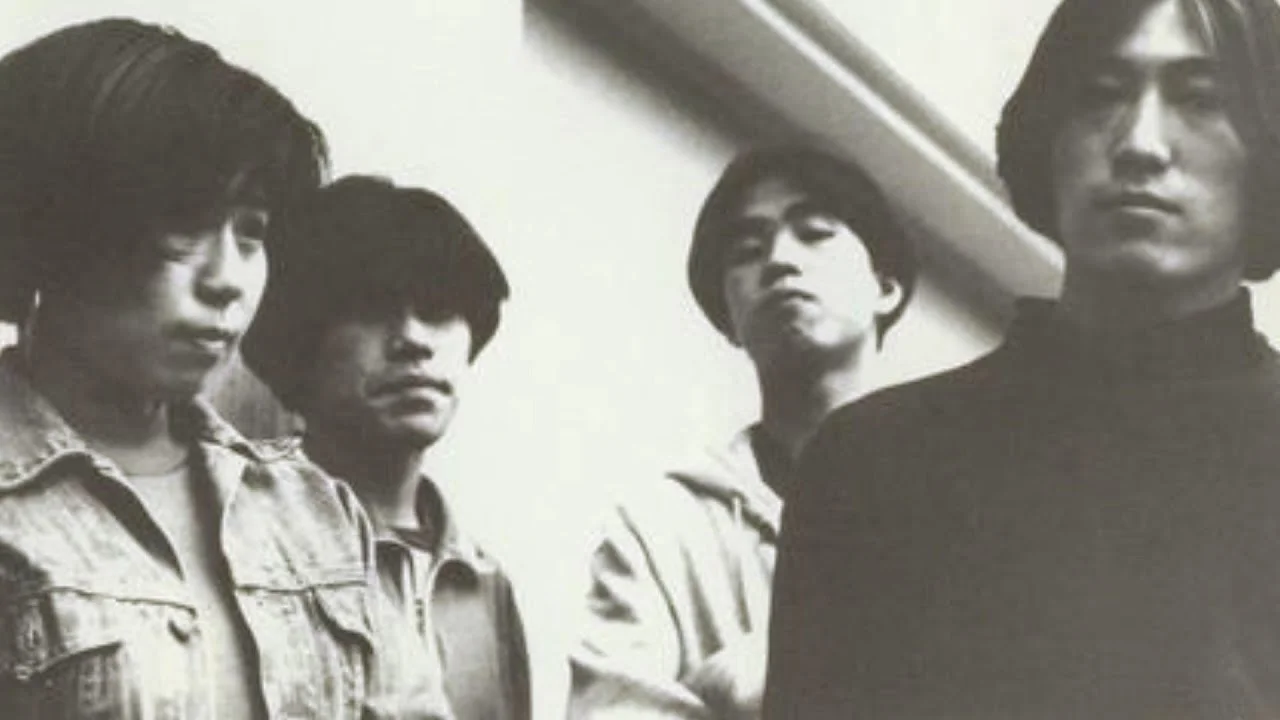
Though White Come Come left behind a relatively small discography, their imprint remains remarkably clear in texture. Their 1992 EP Skin, along with The Broken Bird EP (released via the British independent label Sugarfrost), showcased their sharp, sensitive command over sonic layering. The track perfectly balanced a Pale Saints-esque elegance with a touch of the bizarre. Complemented by sweet, clear male and female vocal harmonies, it added an almost translucent shade of color to the early Japanese shoegaze landscape.