The Turn of the Millennium: Treasures Crossing Borders
Entering the 2000s, with the rapid spread of online platforms, the works of Japanese bands began to break through geographical boundaries, reaching audiences across Europe, America, and Asia. Among them, Condor44, Hartfield, and Pasteboard remain the three most celebrated representatives of Japanese shoegaze among overseas music fans to this day.
Formed in 1999, Condor44 sent shockwaves through the Japanese indie music scene upon their debut with their emotionally charged male-female dual vocals, fierce walls of guitar noise, and driving, fast-paced rhythms. Released in 2001, their debut album 00203 blended 90s post-rock with shoegaze elements, featuring all-English lyrics and interwoven dual vocals to construct a richly layered sonic architecture. Subsequently, they released the female-vocal-driven db in 2002 and the more instrumental Good Bye 44th music in 2007. In 2013, the members returned under the moniker "44th music" to release a self-titled album, 44th album, pulling that signature noise aesthetic back into the spotlight for music lovers.
Hartfield stands as one of the most legendary acts of the 2000s indie scene. Their 2003 masterpiece, True Color, True Lie, features exquisite male-female harmonies, soaring, fluid pop melodies, and hazy, ethereal guitar noise. It evokes beautiful, nostalgic imaginations of youth—like a breath of fresh air that sweeps away the haze of the mind, comforts the deepest sorrows of the soul, and builds a serene, dreamy sanctuary. In 2004, they released the mini-album L.I.B.R.A., which later caught the attention of the South Korean indie label Pastel Music, leading to the release of a double-disc compilation and tours across the United States and South Korea, successfully expanding their international recognition.
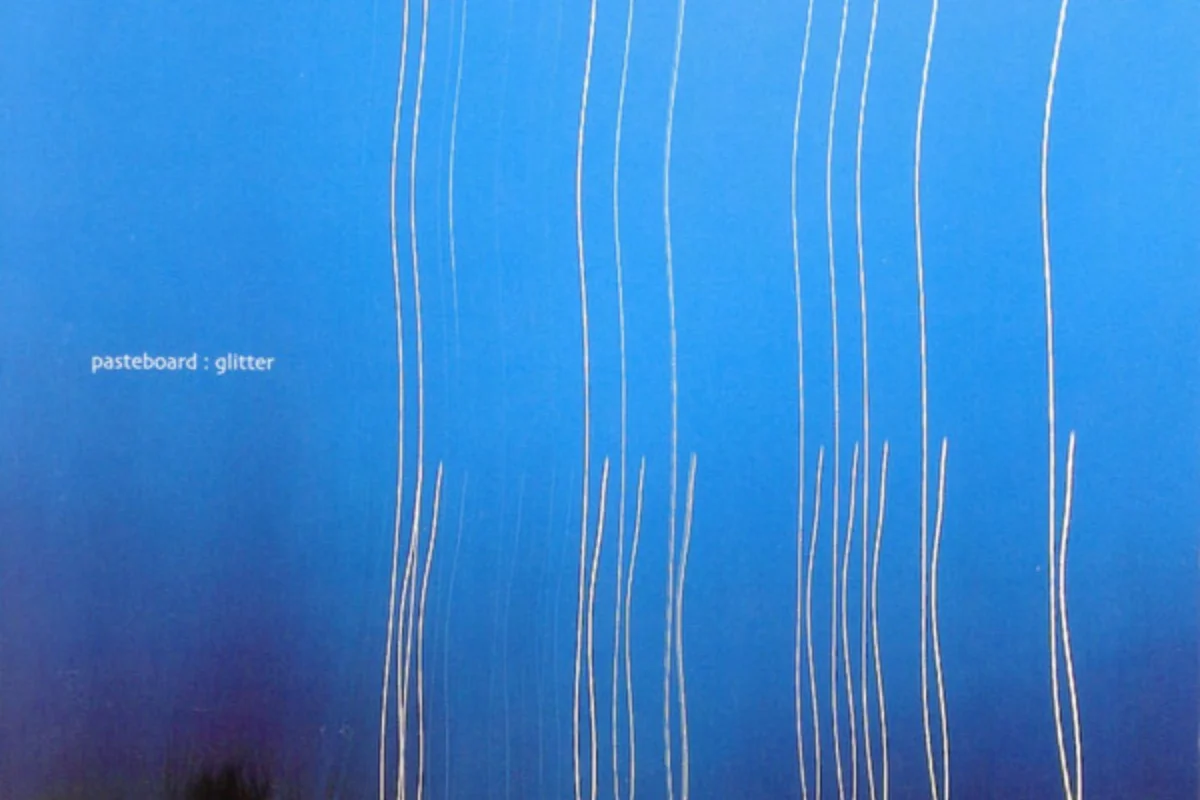
Formed in 2001, Pasteboard was an extension project of the indie-pop duo Poly Poly Rag Bear. Their 2005 album, Glitter, is still revered today as a classic of Japanese shoegaze. This record masterfully combines electronic elements with shoegaze guitars, weaving together the lo-fi texture of bedroom pop, skittering electronic breakbeats, and chilly synthesizer lines. Complemented by sweet, airy, Japanese-style dual vocals, the album strikes a flawless balance between dreamlike atmosphere and infectious pop melodies.
Lineup Realignment: Revolutionizing the Shoegaze Scene

As some shoegaze bands dissolved or shifted directions, many musicians chose new ways to sustain their creative journeys. Walrus bassist Kaoru Miura teamed up with Boom Boom Satellites drummer Naoki Hirai to form the instrumental noise rock band oak; members of honeydip and catenine formed sugarcoat, which eventually evolved into the 80s dance-pop-influenced tron. Meanwhile, sphere—featuring Makoto Gomi of ZEPPET STORE—and HOODIS, which brought together former members of ZEPPET STORE, Walrus, and SUPERCAR, both carried forward the aesthetic of heavy walls of sound.
The ability of Japanese shoegaze to thrive outside the mainstream relies heavily on the live performance network forged by local Live Houses. Neighborhoods like Shimokitazawa, Shibuya, and Koenji became crucial hubs for cross-generational exchange. Among these, the "Only Feedback" events, initiated by members of Cruyff In The Bedroom, and its ongoing successor, "Total Feedback," became the absolute core of the scene. These events not only kept veteran bands like Coaltar of the Deepers and Luminous Orange continuously active but also provided a stage for emerging acts like PLASTIC GIRL IN CLOSET and My Dead Girlfriend. In a sense, "Total Feedback" has transcended being just a live event; it has become a cultural symbol that bridges generations and drives the continuous evolution of the Japanese shoegaze scene.
The Revival Wave: A New Generation's Sonic Revolution
In the late 2000s, as classic bands like My Bloody Valentine and Slowdive recaptured the global music spotlight, a worldwide shoegaze revival emerged, and Japan was no exception. Rather than being content with merely replicating the sounds of the 1990s, the new generation of bands actively fused shoegaze with dream pop, post-rock, indie pop, electronica, and even anime culture.
The miraculous reunion of My Bloody Valentine in 2008 not only shook the music world but also ignited the passion of a new generation of musicians. In Japan, a wave of fresh talent—including Oeil, sugardrop, burrrn, CAUCUS, Shojo Skip (少女スキップ), PLASTIC GIRL IN CLOSET, and My Dead Girlfriend—rose to prominence. Through the versatile application of walls of sound, reverb, and spatial layering, they redefined the Japanese shoegaze sound, allowing this 90s-born sonic revolution to shine with an even more brilliant and unique luster in the hands of a new generation.