2010s: The Revival and Reconnection of a Musical Aesthetic
In 2007, legendary British band My Bloody Valentine announced their reunion, returning to the stage the following year. In 2013, they released m b v, their third studio album and their first in twenty-two years. This long-awaited return not only brought Shoegaze back into the attention of a new generation, but also opened a door for young musicians to explore the possibilities of noise, distortion, and dreamlike soundscapes.
Entering the 2010s, Japanese Shoegaze entered another period of development, building upon more than two decades of accumulated musical ground. At the same time, online platforms such as Twitter, YouTube, SoundCloud, and Bandcamp gradually became important tools for musicians to release their work, find audiences, and connect with one another. Musicians who had previously been scattered across different regions could now find each other through the internet, allowing the Japanese Shoegaze scene to develop a more diverse identity than ever before.
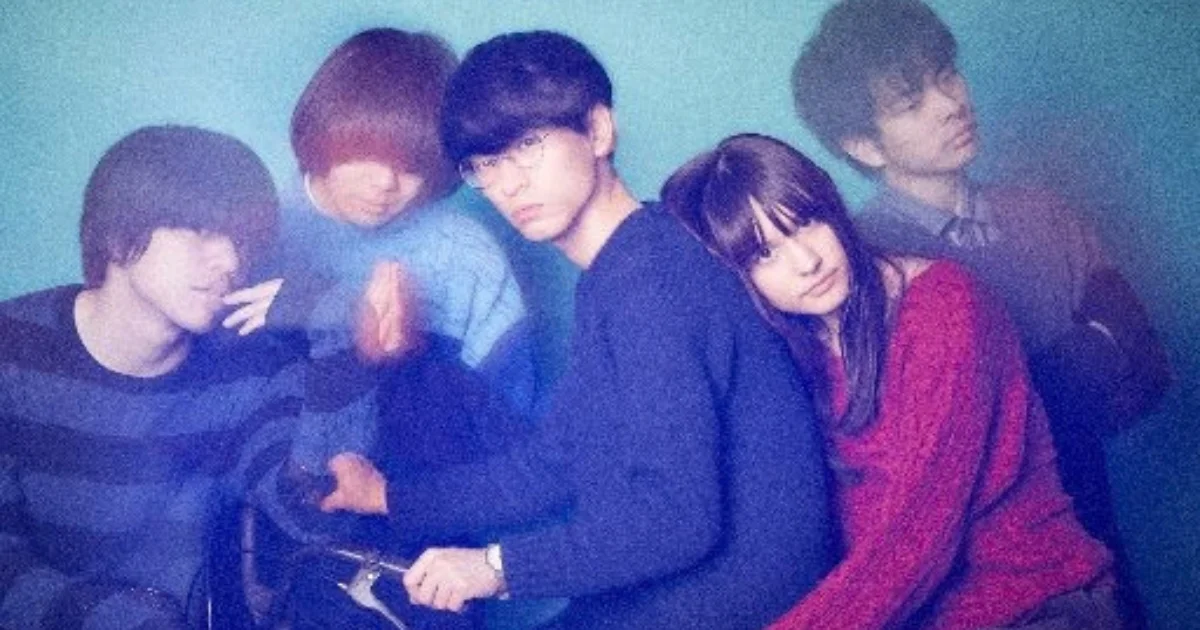
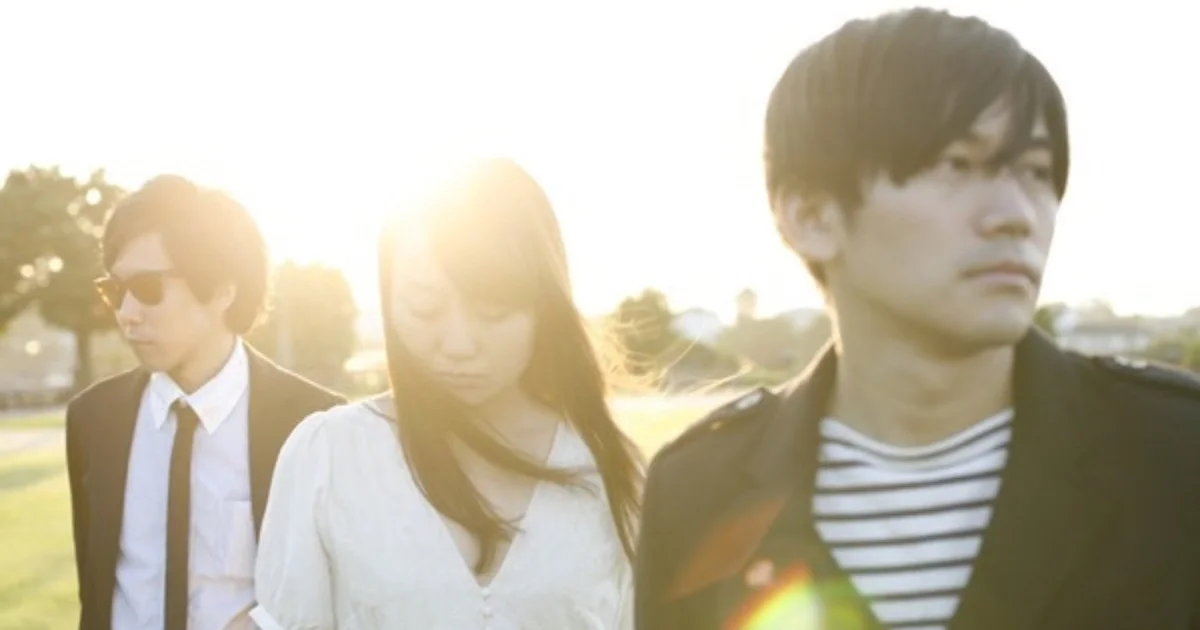
Throughout the decade, alongside earlier bands such as Cruyff in the Bedroom and Luminous Orange, a new generation of artists began to emerge, including きのこ帝国, 死んだ僕の彼女, 少女スキップ, PLASTIC GIRL IN CLOSET, broken little sister, For Tracy Hyde, sugardrop, CAUCUS, 17歳とベルリンの壁, cattle, and 揺らぎ (Yuragi). Rather than simply reproducing the sound of ’90s Shoegaze, these bands incorporated elements of Indie Pop, Dream Pop, Post-Rock, Synth-pop, Ambient, and other genres into their music, often blending them naturally with pop melodies and electronic textures. During this period, Shoegaze was no longer a genre defined by a strict set of conventions, but a sonic aesthetic that could be freely deconstructed and reassembled.
A New Generation of Sound: Youth, Pop, and Urban Memory
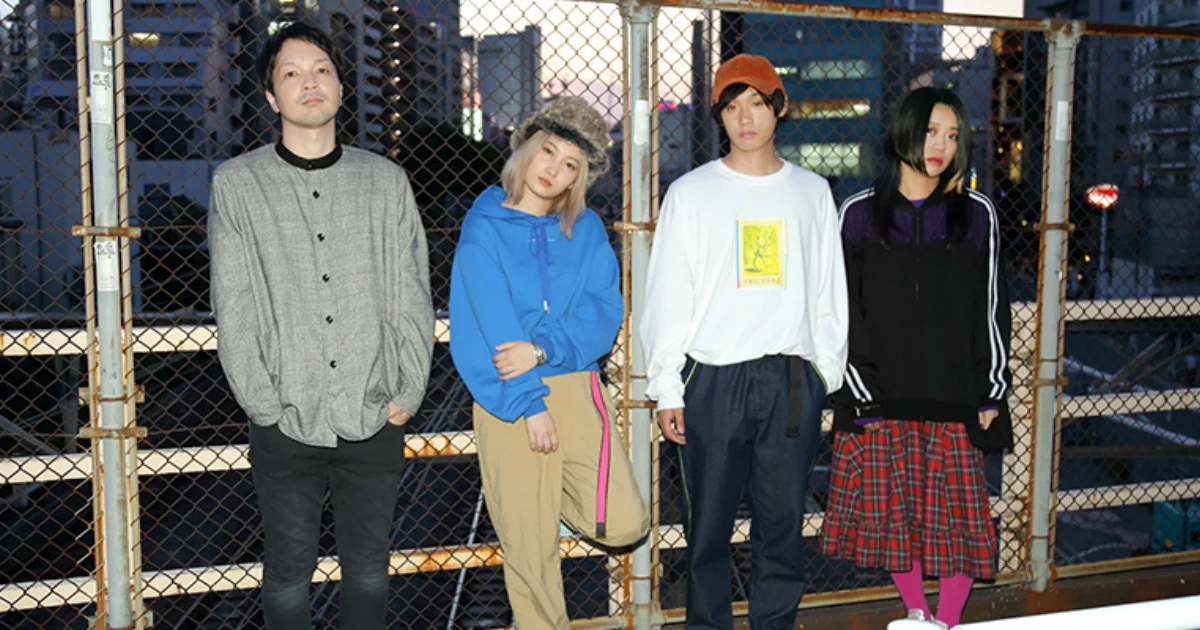
Formed in 2007, きのこ帝国 (Kinoko Teikoku) became one of the defining names of this generation. Centered around vocalist Chiaki Sato’s highly expressive and penetrating voice, the band created a dreamlike, floating atmosphere while gradually developing a distinctive musical world of their own. Their early work carried clear traces of Shoegaze and Post-Rock, but they never confined themselves to a single genre. Over time, they incorporated elements of J-Rock and Alternative Rock, allowing the hazy textures of Shoegaze to coexist with more direct and accessible melodies.
For Tracy Hyde, who began their activities in 2012, initially grew out of guitarist Natsubot’s home-recording project. Through online platforms, he gradually found other musicians and formed the full band. Drawing from Indie Pop, Dream Pop, Guitar Pop, Synth-pop, Shibuya-kei, and other influences, the band released their debut album Film Bleu in 2016. Hazy guitars, bright melodies, electronic textures, and youthful vocals intertwine throughout the record, creating a sound that is both dreamlike and distinctly pop-oriented. Here, Shoegaze becomes part of the language of youth, romance, and urban memory.
Floating and Transparent: The Diverse Faces of Japanese Shoegaze
Bands such as PLASTIC GIRL IN CLOSET, Oeil, broken little sister, and 17歳とベルリンの壁 took the sound in a more dreamy, delicate, and electronic direction. Hailing from Iwate Prefecture, PLASTIC GIRL IN CLOSET carries a simple yet warm sense of transparency characteristic of Japan’s northern regions. Soft, sweet vocals intertwine with the bright melodies of Guitar Pop, creating a sound that is both captivating and melodic.
broken little sister brings together elements of Dream Pop, Electronica, and Ambient. Between delicate noise and warm electronic arrangements, male and female vocals weave together to create a layered, dreamlike wall of sound, giving their music a floating quality distinct from traditional Shoegaze. 17歳とベルリンの壁, meanwhile, combines hazy guitar walls with the clear voices of its male and female vocalists, creating a transparent yet melancholic urban atmosphere that makes the noisy textures of Shoegaze feel lighter and more delicate.
Having released the compilation Sweet Days And Her Last Kiss with 死んだ僕の彼女 as early as 2008, 少女スキップ drew influences from American Alternative Rock, Post-Rock, Shoegaze, and other genres to develop a distinctive, floating sound. Their dual female vocals and melodic songwriting are set against guitar tones with an overwhelming presence, creating a unique sense of tension.
Another band with a distinct character, burrrn responded to the sounds of ’90s Shoegaze with a more direct and powerful guitar wall. Contemporary critics described the band as combining the floating quality and male-female vocals of My Bloody Valentine with the unconventional melodic sensibilities of Sonic Youth, bringing them considerable attention overseas.
Sugardrop, meanwhile, explored a more youthful and exuberant side of the genre through the rough-edged textures of ’90s Alternative Rock. With a sound reminiscent of Dinosaur Jr., their songs retain a sense of youthful energy, impulsiveness, and sincerity.
Although these bands followed very different paths, they were all active within Japan’s Shoegaze scene during this period. Together, they expanded the diversity of Japanese Shoegaze and played an important role in shaping the genre’s resurgence in Japan.
Article Authors
Bloody Mary
life is short, shoegaze more.
Indie Music And Film Lover, Arts Administrator from Hong Kong.