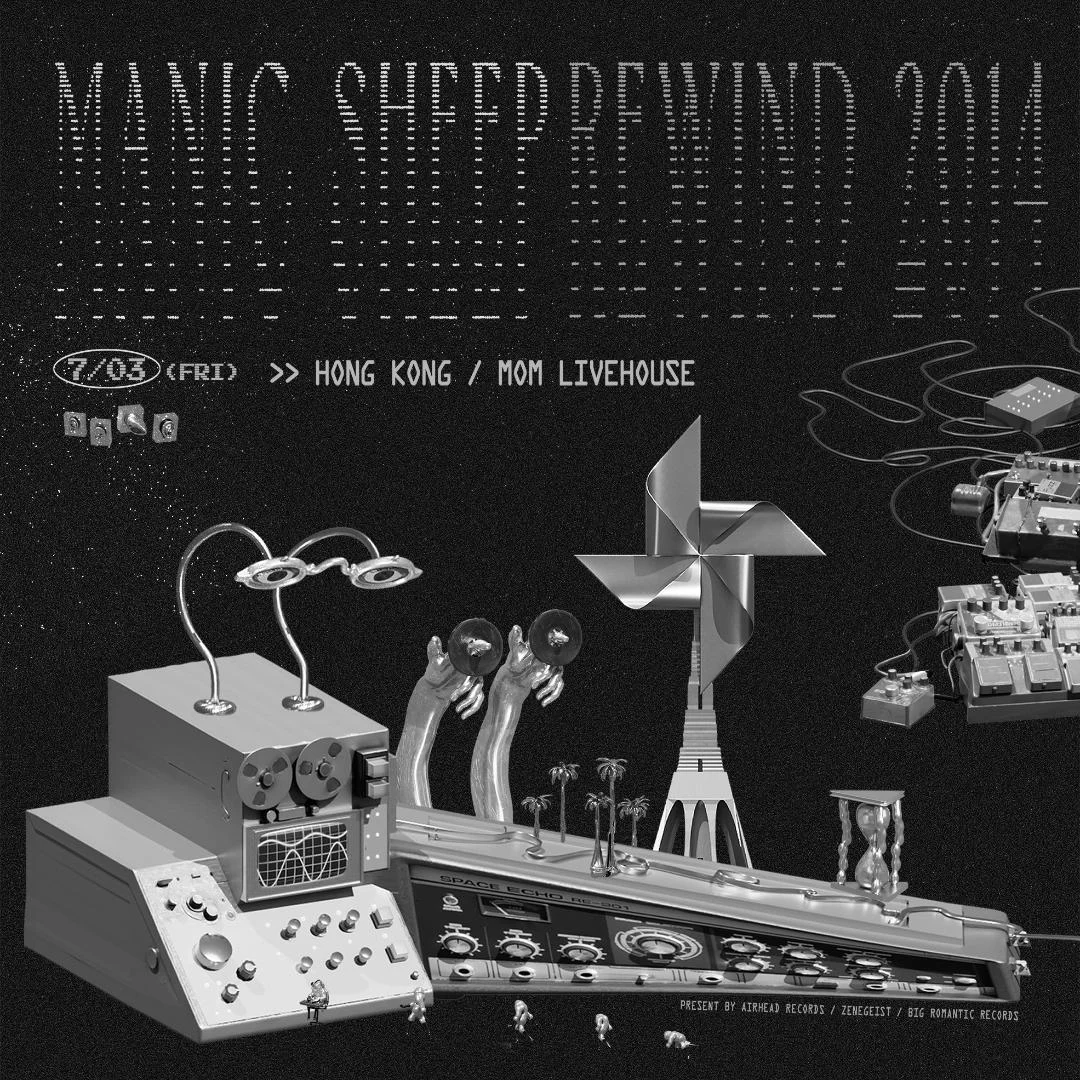
Having navigated more than a decade of musical journey, Taiwan’s dream pop/shoegaze band Manic Sheep steps back into the listeners' spotlight with their latest release,《Rewind 2014》. Breathing new life into tracks that had been gathering dust for over ten years and unveiling them today in 2026 is, for the band, far more than a nostalgic backward glance. Instead, it marks a cross-temporal collision—a vibrant meeting between the refined technical prowess of their present selves and the raw, fervent state of mind of their youth.
True to their moniker "Manic Sheep"—an extreme juxtaposition of a lamb's docility and a wall of sound's feral energy—their music has always tucked obscure yet sweet melodies behind a dense veil of warped, abrasive noise. In this exclusive feature, Manic Sheep opens up about the serendipitous spark that formed the band, the time capsule surrounding《Rewind 2014》, and their candid reflections on the changing landscape of Taiwan's indie music scene. They also dive deep into their enduring obsession with the shoegaze aesthetic, alongside their fondest memories and anticipation of returning once more to the stages of Hong Kong.
▍Interview | Manic Sheep: The Gentle Sheep, The Fierce Wall
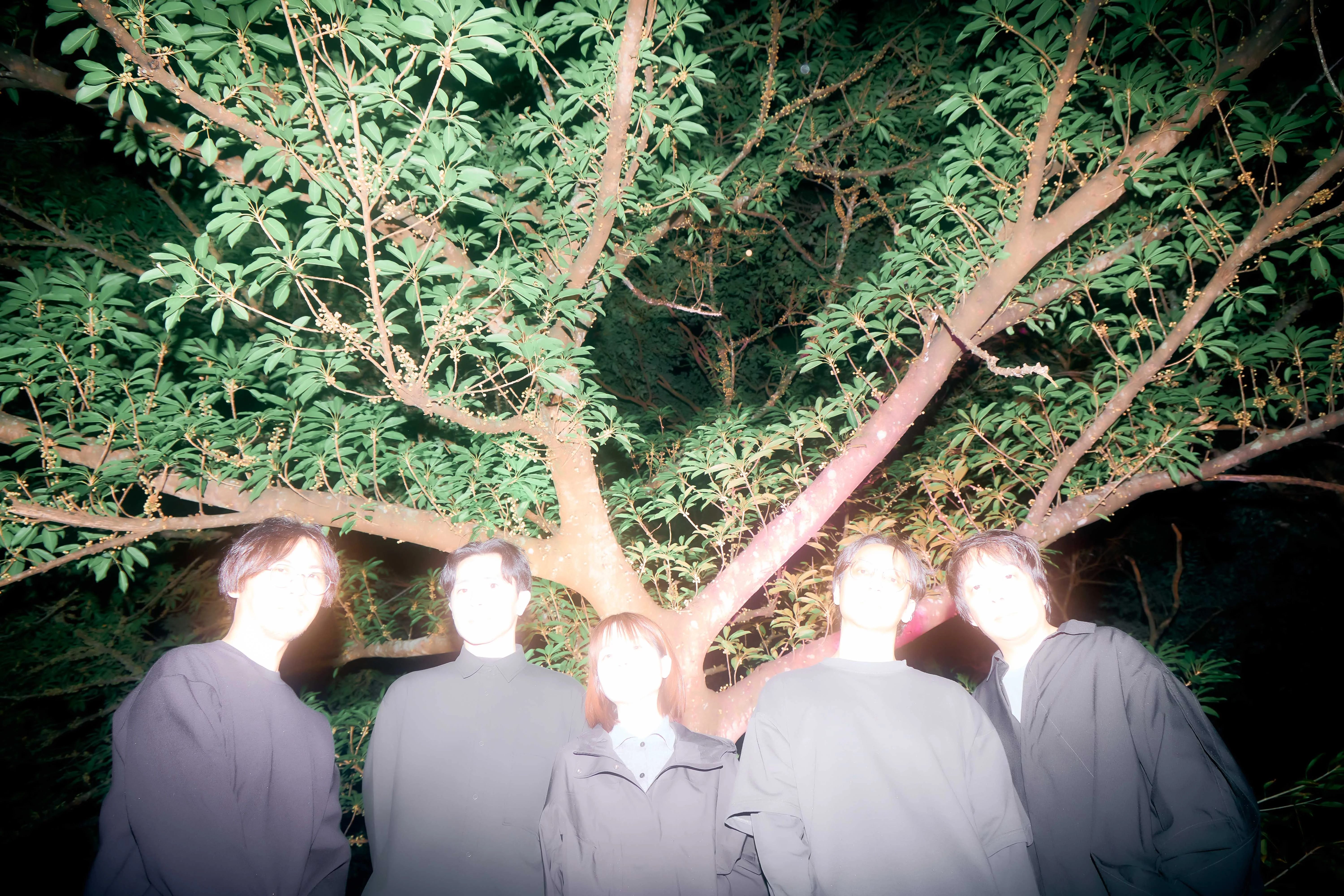
Manic Sheep:
Guitar: Howard Yang
Guitar: Yu Hsieh
Bass: Qihung Sun
Vocals: Chris Lo
Drums: White Wu
1. Manic Sheep has journeyed through more than a decade since its formation. Could you share with us how the band came together? How did the members originally meet and begin creating music together?
Qihung: I joined in 2019. I actually just had a chance encounter with Howard (Yang Hao) at a guitar repair shop. Later on, Manic Sheep was looking for a bassist, and one day a mutual friend suggested to Howard that he should reach out to me. Since I was already a fan of Manic Sheep myself, I was obviously more than willing. We set up a meeting with Chris (Lo Yu-ting) and Howard to chat, and I joined right after.
White Wu: Right around the time I was transitioning from high school to university, I met Chang Fang-yu at a music classroom where she was working. She’s our band's go-to designer and was already working with the band back then. I spent a long time living outside of Taiwan, but I closely followed the Taiwanese music scene. Because I loved genres like dream pop and shoegaze, I really loved Manic Sheep’s music. Back then, everyone was using Facebook a lot, so I indirectly became internet friends with Hsieh Hung-yu and Chris.
Ever since our former drummer, Jocelyn, left Manic Sheep, the band had been without a permanent drummer. I quietly made a wish to myself that if I finished my studies and returned to Taiwan and they still hadn't found a drummer, I would join them. As it turned out, when I returned to Taiwan in 2014, that wish came true, and I’ve been with them ever since.
YU: We met on PTT—a massive BBS forum in Taiwan. The drummer posted a recruitment thread in the band board, and that was the very first catalyst.
Howard: I met Chris back in 2008 in California while I was hanging out during a summer session at UC Berkeley. It was only after I came back that I started getting to know Taiwan’s indie music scene. I ended up hanging around with the early iteration of the band, absorbing the culture, and that’s how I started listening to shoegaze. At first, I just bought guitars and pedals blindly—whenever I saw Hsieh Hung-yu using something, I’d quietly add it to my shopping list. After Hsieh Hung-yu left the band, Chris naturally asked me to step in as the other guitarist. "Brooklyn" was the first track I ever participated in creating. Back then, my grasp on songwriting was pretty vague; I just threw a chaotic bunch of guitar fragments out there for Chris to splice and piece together. Over the following years, as I listened to more and more music, I began to develop more definitive ideas and experimentation regarding sound and arrangement.
Chris: At the very beginning, I just uploaded a few demos to PTT looking for bandmates. Our original drummer was a friend from my high school pop-rock club, and from there, things developed exactly as the others just described.
2. The band name "Manic Sheep" pairs two extreme words—one docile, one frantic. This perfectly mirrors the duality in your music, where sweet melodies coexist with fierce guitar noise. Can you tell us about the origin of the name?
Chris: We had a gig lined up and needed a band name. At the time, I really liked the Manic Street Preachers and wanted us to be placed right next to them on the shelves in record stores. Plus, I really like sheep. I felt "Manic Sheep" fit our music perfectly, so we just went with it.
3. Rewind 2014 unearths unreleased tracks from a decade ago. Listening to, processing, and releasing these older works today in 2026, what are the band's biggest reflections? To you, does this record feel like a retrospective commemoration of the past, or has it found new meaning and extension within your current creative context?
Qihung: As I mentioned, I started out as a fan, and "Dream" was truly one of my favorite Manic Sheep songs back then. Aside from that track, this release features many songs from the days when I was just a listener. Being able to actually release them makes me incredibly happy, and playing them live now brings me so much joy.
White Wu: I was part of the recording process back in 2014. Two years ago, when I listened to the files that Hsieh Hung-yu had organized, I was pleasantly surprised. Those raw, youthful arrangements were completely preserved, and listening to them was fascinating. You could really feel how hard we were trying to carve out a pure stylistic identity back then. I’m deeply grateful to my past self for doing that work, which ultimately paved the way for a lot of growth in my arrangement concepts and technical skills later on. So for me, I’d say it’s a bit of both—a commemoration and a new extension.
YU: You can really feel the difference in the historical backdrop; what a band pursues changes with each era. Hearing it today, the atmosphere of the old "Underworld" (地下社會) Live House era vividly rushes back. At the same time, it also makes my past shortcomings quite obvious.
Howard: When I first listened to this record, it felt incredibly familiar because it captured the exact musical trajectory the band was on when I first met them. So it’s a bit of a paradox—both familiar and foreign? The foreign part was figuring out how to use the way I listen to music and the performance style I want to explore now to weave myself into this album as the second guitar. It was actually quite challenging and a lot of fun. Additionally, there are still three songs on here that were ultimately completed by Chris and me. I feel the timing of this release is great. It truly brings together all the different directions we’ve experimented with over the years. So even though the styles might seem quite distinct on the surface, looking at the journey as a whole, it actually makes perfect sense.
Chris: The period between 2012 and 2014 was actually a critical phase in the early development of our band. We are very fortunate that it was recorded and is now being released. It brings back memories of our mental state during those days of heavy touring, and finishing it now with our current technology and musical concepts creates a really wonderful collision.
4. From your early works to your recent creations, Manic Sheep’s sound and expression have undergone significant evolution. Looking back at this journey, what do you think is the core character of the band that has remained entirely unchanged?
Qihung: Since joining, I’ve felt that the core is simply the people. I’ve played in a few different bands and made music with different individuals, and who you are playing with is always the most fundamental thing. Music is made by people, so if I had to say what has never changed, it’s the people (laughs).
White Wu: Everyone coming together to fuse the sounds, techniques, and approaches we want to experiment with at any given moment—that dynamic has pretty much been our unchanging way of creating music from day one.
YU: To summarize what I’ve observed from our time together up to now: our vocalist Chris represents pure execution and resilience; Howard is a meticulous and persistent guitarist; White Wu is a sharp, precise drummer; and our bassist A-Mao is the big boss.
Howard: I think we are still constantly striving for self-actualization—bringing in all the weird stuff we individually listen to and the cool elements we want to try—while still hoping to preserve a sweet, pleasing melody. Though personally, I listen to less and less shoegaze these days; my musical taste has leaned much more toward rhythm-driven sounds.
Chris: Unwillingness to compromise. Everyone remains incredibly stubborn about the parts within themselves that they want to preserve.
5. As prominent representatives of the Taiwanese indie music scene, you have witnessed its evolution over the past decade. Compared to when you first started out, what do you think is the biggest change in the scene today?
Qihung: There are far more resources now, and the music has become relatively much more polished. The audience's ears have been trained, and crowds have higher expectations for music. But with our record Rewind 2014, even though we re-recorded and tweaked things, it’s nice to give everyone a taste of that old-school, gritty, Lo-Fi vibe to feel nostalgic about.
White Wu: The production value of putting on a show has skyrocketed. Bands now have to rack their brains to elevate all the details outside of the music itself, like making the live visuals incredibly dazzling and eye-catching. However, under such high-intensity stimulation, there's a risk of losing focus or burning out. Sometimes I miss those pure performances that were solely about the music and the raw interaction between the band and the audience. Of course, I’ve seen a few shows recently that hit a perfect balance among all these elements, which has given me more ideas for our own performances.
YU: The number of bands turning professional has grown, but the number of live venues has shrunk. Meanwhile, music festivals have multiplied exponentially.
Howard: I still feel the old scene was more organic and fun. The camaraderie and interaction between different bands were much more frequent; back then, when you played a show, a huge portion of the audience consisted of friends from other bands. That was also a time when everyone's creativity was wildly uninhibited. But the scene now is very different. The listening audience has grown significantly, and the performance and technical standards of the bands themselves keep getting better. But to taste it through my own bias, everyone plays their instruments too well, and the music is too beautiful... Because of this, I also feel that the music the audience consumes has actually become more singular in flavor, missing out on some of the fun and unpredictability.
Chris: The professionalization of bands has forced everyone to demand a much higher level of refinement.
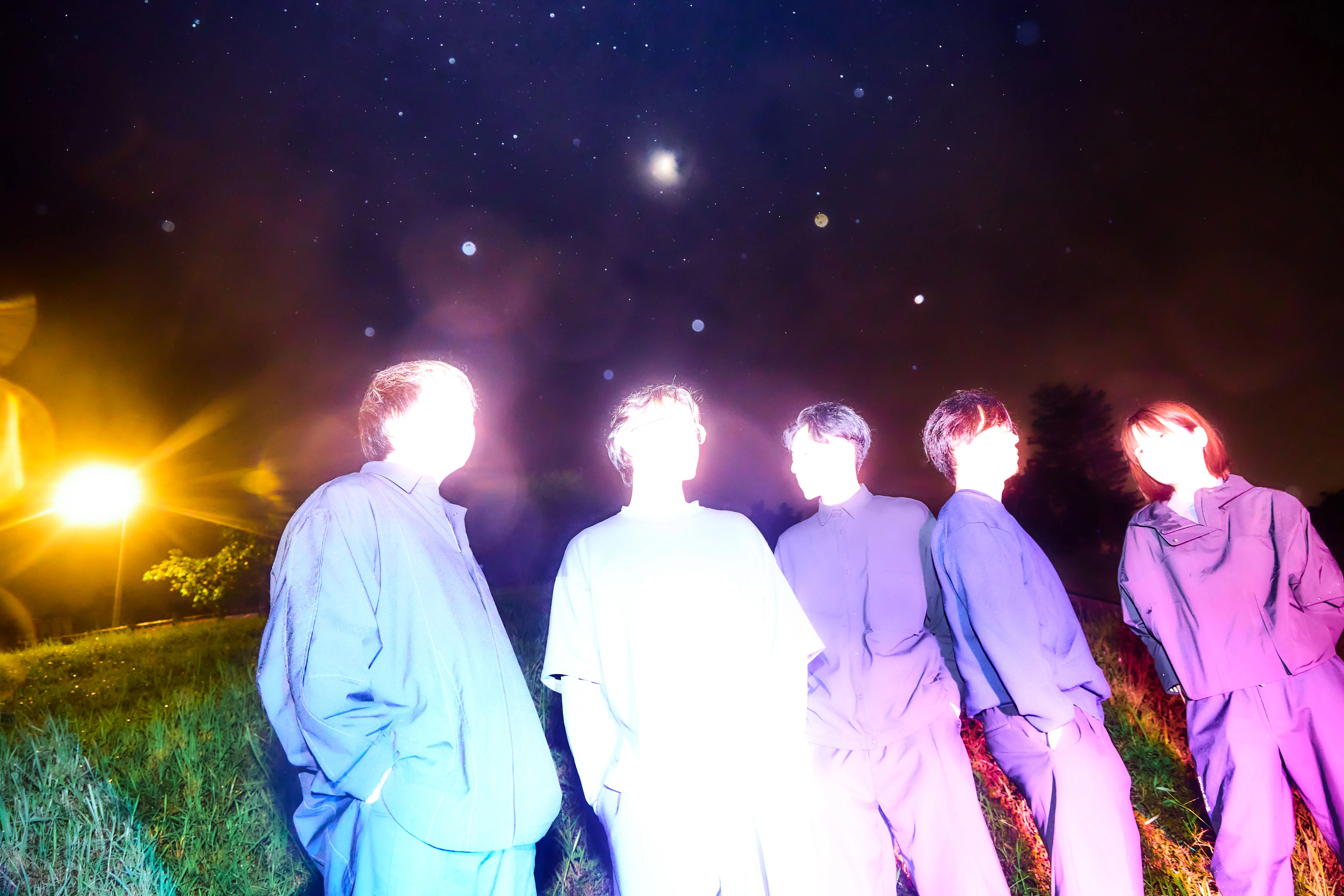
6. Shoegaze has always been a highly distinctive element in Manic Sheep's music. What originally drew you to this style, and what do you find most captivating about it?
Qihung: For me, when I'm on stage, I love being enveloped by a wall of sound; it gives me a profound sense of security. But after playing with Manic Sheep for so long, I now think the true allure of shoegaze lies in the intertwining frequencies of the instruments and the shifting time signatures.
White Wu: I think everyone's entry point into shoegaze is pretty much the same—inevitably bands like My Bloody Valentine, Slowdive, and Ride. We fell in love with that dreamlike, ethereal guitar wall of sound. Personally, I lean more toward My Bloody Valentine’s Isn’t Anything, which has those warped, cold, mechanical melodies and rhythms. Compared to beautiful melodies, I seem to prefer that specific flavor.
YU: The intersection of musical notes and tones among the bandmates. The most captivating part is how it completely satisfies my own auditory senses.
Howard: I feel like this doesn't just apply to shoegaze, but to a lot of other music I love as well. For me, it’s about the imagination brought to sound or rhythm. I'm deeply fascinated by concepts that don't treat a guitar like a conventional guitar. It’s a sound-driven approach to songwriting—you might have to discover a specific sound first, and then think about how to build a whole song around it, or figure out how to inject a peculiar sound into an existing song structure. That feels very different from the mindset of playing a pristine, beautiful guitar line over a song.
Chris: It was probably Hsieh Hung-yu's influence. Before playing in Manic Sheep, I didn't really listen to shoegaze. What I fell in love with were the elusive melody lines that emerge from layers of coarse, abrasive sound.
7. Does Manic Sheep have any new creative plans or directions on the horizon? Is there anything you can share with us ahead of time?
White Wu: We are currently having slow discussions about a new direction. Once this new album tour wraps up a bit, we’ll start diving into the concepts and production for our next work.
YU: The album art is already done!
Chris: We’ll probably arrange more performances. I hope we can release the next album sooner.
8. You are about to return to Hong Kong for a performance. What are you particularly looking forward to this time? Looking back at your past experiences performing in Hong Kong, is there any specific memory that still stands out vividly?
Qihung: I went to Hong Kong's Clockenflap in 2017, and I had a wonderful impression of the city. I caught a lot of my favorite bands that year. This will be my very first time performing in Hong Kong, so I’m really looking forward to speaking a bit of Cantonese on stage (laughs).
White Wu: I’ve always loved going to Hong Kong, probably because of all the incredible food I love there! It's been a long time since the band last played in Hong Kong, and I'm eager to interact with both our old and new fans there. My only time performing in Hong Kong with Manic Sheep was at the 2017 Little Small Call (小呼叫) Music Festival, though my memory of the gig itself has blurred. If I had to pick a memory, Enno Cheng was also performing on the lineup (we were just nodding acquaintances at the time). I was standing in the crowd with our former bassist Chang Fang-yu, watching her set and marveling at how beautifully Enno sang. Cut to two years later, I fortunately started playing drums for Enno, and I’ve been doing so up to this day.
YU: Frying our Pedal Power at Clockenflap. The festival staff literally went out and bought a mountain of adapters to bail us out. (One of the tracks on the new album actually was born out of that exact experience).
Chris: Last time was Little Small Call in 2017. For Lao Xie (Hsieh Hung-yu), it was Clockenflap in 2014, where our power supply got completely fried by the voltage. That memory is just too deeply etched to ever forget.