Feature | Mass of the Fermenting Dregs : The Fermenting, Restless Chronicle in Decades
Updated at: 2026-11-06
Authors: Arc
In 2002, Kobe, Osaka was the Mecca for Japan’s experimental indie rock scene. Not just being dotted with DIY livehouses, but also gathered a large number of local noise rock bands and post-rock bands far from Tokyo, fostered a vibrant music community. In the meanwhile, HIDE from X Japan was also deeply influenced by that girl who was far away from Kobe. Immersed in the vibrant musical atmosphere, Natsuko Miyamoto grouped up with her two close friends when she was in high school. With their love and passion for rock, they formed Mass of the Fermenting Dregs—the band that is striking the global indie music scene nowadays.
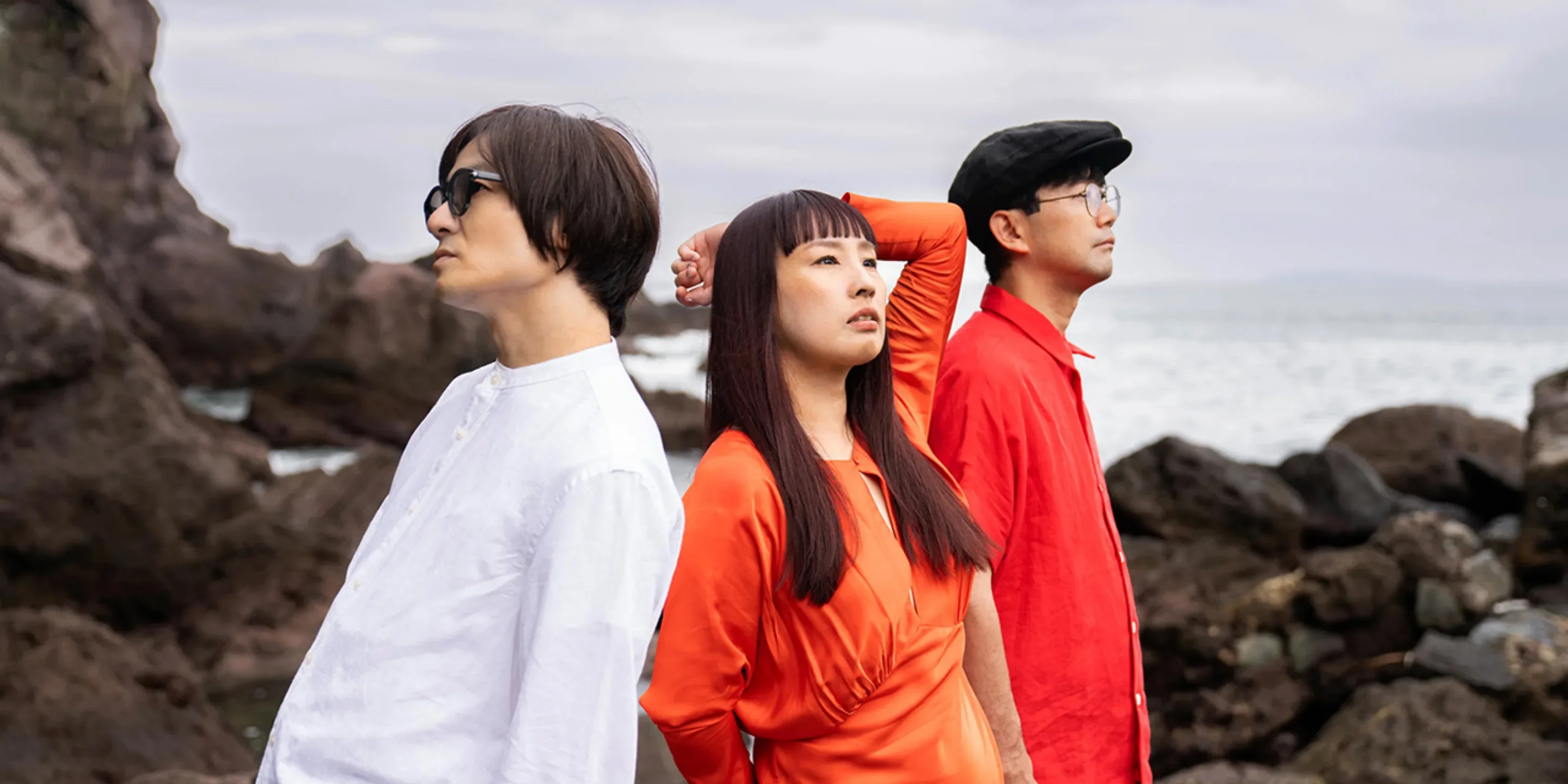
Mass of the Fermenting Dregs (Masudore in short form) is a band formed in 2002 in Kobe, Hyogo Prefecture by Natsuko Miyamoto (Ba.&Vo.), Chiemi Ishimoto (Gt.&Cho.) (2002-2010) and Reiko Goto (Dr.&Cho.)(2002-2007). After the hiatus in 2012, they reunited in 2015 and remain active till now. Current members are Natsuko Miyamoto (Ba.&Vo.), Naoya Ogura (Gt.&Vo.) and Isao Yoshino (Dr.&Cho.). According to Natsuko, the band name actually originated from a combination of rebellious words she liked during her teenage years. Hence the full band name has no specific meaning in it.
Their early music wasn’t what people today considered “Shoegaze”; It was rooted in noise rock, infused with the restlessness of punk and the impact of post-hardcore, unleashing unadorned, explosive energy without any embellishment. The gritty and aggressive notes of the guitar and bass, interwoven with the powerful drumbeats like falling raindrops in full speed, weave an impulsive symphony. With Natsuko’s highly distinctive vocals, they created a deafening yet passionate, reckless and uniquely teenage emotional outburst.
Their demo EP “kirametal” released in September 2006, was the prototype of their restless emotions. From the doubt of meaningless things and the anxiety of shattered fantasies in “delusionalism”, the impulse of keep swimming forward in “i f a surfer”, to the reluctance, melancholy, and acceptance toward those who are gone in “skabetty”. All the emotions are interwoven with Natsuko’s signature voices amidst the chaotic melodies, vividly captured the unique restlessness of youngsters, as well as Masudore’s unrivalled explosive energy in that time.
In 2007, they stepped on the “ROOKIE A GO-GO” stage at the “FUJI ROCK FESTIVAL’07”. In the same year, they won the Best Artist award at EMI Music Japan’s “Road to Tarbox Audition”, earning them the opportunity to travel to a renowned recording studio in the United States, record an album under the personal guidance of Dave Fridmann.
Their first self-titled EP, “MASS OF THE FERMENTING DREGS” released in January 2008, was the masterpiece created under the guidance of Dave Fridmann that cemented their place in the music scene. As their debut release, this album took a step further from “kirametal”, blending deafening noise with delicate emotions into the powerful energy of post-hardcore. Almost every track was recorded in a first and the only take, which greatly preserved the rhythm and unreservedly showcased their raw passion in live performances.
The outstanding track “Endroll”, begins with quiet introspection, as the melodies and chords overlapping endlessly, building up long-suppressed emotions until only chords and soft murmurs remains—followed instantly by a deafening, storm-like barrage of jagged roars, accompanied by an outburst of emotion, grief and wailing, venting every last ounce of feeling. In the end, everything falls into dead silence, with only intermittent wails echoing in the darkness.
This song defines their signature style: every emotion bursts violently within the restless melody. It also established their “Shimokita-kei post-hardcore noise” style from this album.
After the release of their debut EP just one year later, they released their second EP “World Is Yours”. This album perfectly preserved the restlessness of their early career while showcasing the evolution in songwriting and arrangement. Unlike focusing on layering melodies only in the previous album, they placed greater emphasis on Natsuko’s voices and striking the balance between vocals and melodies. It evokes the melodies of ‘90s alternative rock while retaining their intense post-hardcore energy and creates a raw and emotional atmosphere.
The outstanding track “Aoi, Koi, Daidaiiro No Hi”, unleashed the melancholy and longing with unbridled intensity, accompanied by the frenzied roar of the guitar. Under the deep blue sky dotted with amber clouds, I still long to stay by someone’s side, even if my colors have all faded away. Yet I have already been shattered by the turmoil of love and sorrow when I long to embrace each other. The melancholy hidden deep within my heart turns to ashes, never to be conveyed to anyone again. Yet in the self-titled track “World Is Yours”, she sang: “The future of people are always far, far away. They’re stained in the same color as those hopes you have.” (人の未来は いつも 遠くのほうで きみの期待と同じ色に染まるから)—our future will always be tinged with your expected colors, no matter how far away it may be. Even if my “color” fades away without a trace, years later, I will still be able to see my “color” somewhere.
After just 3 months of recording, they released their debut full-album “Zero Comma, Iro Toridori no Sekai” in August 2010. Considered their magnum opus, it not only retained the sense of speed, explosive energy and emotional intensity of their first two EPs, but also blended rich pop melodies seamlessly. It embodies both a passionate, racing energy and an almost explosive sense of sorrow and melancholy, showcasing an even more diverse musical style and capturing every immersive, heart-pounding emotion in this colorful, labor of love masterpiece.
Whether it’s the self-titled track “Zero Comma, Iro Toridori no Sekai”, which strikes the ears with their signature ferocious sound beneath a bright melody—or “RAT”, which minimizes layering to amplify the sense of chaos through instrumental only—or the closing track “Sanzameku”, which overflows with melancholy beneath a facade of noise beautifully—all of the track presents a perfect balance between frenzied rhythms and pop melodies, showcasing their most beautiful and dazzling side yet.
After the release of their first album soon, the original guitarist, Chiemi Ishimoto has announced her departure from Masudore due to health reasons. In September 2012, Natsuko announced that Masudore will go on a hiatus, citing instability among the support members on their official website. She also released their last single at the time “Tantantan”, as Masudore’s farewell to their fans.
In 2015, original member Natsuko Miyamoto announced Masudore’s reunion, and continued as a trio consisting of Naoya Ogura and Isao Yoshino. Just a few years after their comeback, they released their second album “No New World” in July 2018. As their first album following their reunion, they began to focus on exploring pop styles, toning down the raw, explosive energy of their early works and shifting toward a brighter, more pop-oriented experimental direction. Consequently, this album represents their most pop-oriented work at this time.
This stylistic shift can be observed in the opening track “New Order”. The song’s bright, crispy tones intertwine with pop chords; at first listen, it seems to lack the raw innocence and impulsiveness of their early career. Yet their passion remains intact—it has shifted from the raw emotional release of straightforward lyrics and tones, to a headlong exploration of diverse musical styles.
From the return to the Shimokita-kei post-hardcore sound in “だったらいいのにな”, to the slow-tempo, UFO-like serene atmosphere created with reverb and wah-wah effects in self-titled track “No New World”, and the initial fusion of Shoegaze elements in “Sugar”—all of these prove that they are attempting to incorporate new elements into their journey after those extensive overseas tours and being influenced by diverse musical styles. This marks the first step toward establishing a “New Order” in their music.
Their third album “Awakening: Sleeping” released in August 2022, focuses on rebirth and duality. Shifting from an exploration of pop styles to a heavier shoegaze atmosphere, continues to showcase their style that refuses to be confined by the status quo. Rooted on the noise rock, it uses distortions to create a sense of space, further expanding its psychedelic soundscape. This album also features guest appearances by Keita Ebina of Discharming Man and Taigen Kawabe of BO NINGEN, contributed to “No need” and “Helluva” respectively, presenting a more diverse, unique genre-defying style.
“Dramatic” gives a glimpse into their latest exploration of musical styles; this first track deploys heavy distortion and dreamy chords to create a dramatic atmosphere, just like diving into water and roaming in the surrounding sea. While the 9-minute long, intense build-up in “1960” erupts alongside the rap elements and overlayered melodies in “Helluva”, perfectly fusing post-hardcore roots with noise elements to showcase an even higher level of experimentation.
After the release of their third album in 4 years, they performed more than 40 shows across the United States, Asia, the United Kingdom and Europe. Which is a testament to their growing influence in the Western and global music scenes.
During this period, they released their live album “LIVE IN JAPAN” in March 2024, which features all the tracks from their EPs before they disbanded, reinterpreted by the current trio in a state-of-the-art recording environment. Evolving from the chaotic, unrestrained energy of their early career, to the refined yet emotionally charged live sound and atmosphere today. This album truly serves as a testament to their journey of revival.
After the ending of their tours, they released their third EP “Iwaou” in August 2026, which captures the emotional journey and experiences from the past 4 years of touring, and the emotional journeys of each member, all recorded and etched into the lyrics meticulously. The layering of gentle, understated melodies pairs perfectly with Natsuko’s signature voices, seamlessly blending all of these nuanced emotions and dissolving them into this nostalgic, melodious art.
From “Simmer Summer”, which opens with soft chords evoking the bittersweet melancholy of summer, to the calm acceptance of things has been gone in “Let It Go”, the anxiety over emotional distance in “Hers”, the conflicting emotions about gains and loss in “Dareka ga kizu wo ou sono shunkan wo”, and the longing to rely on someone in self-titled track “Iwaou”—all these states of mind are woven into the shifting melodies, which alternate between leisurely and explosively, creates a balance of listening experience—just like the Taijitu.
The closing track “Ghost” serves as this album’s finale. It begins with a solitary yet orderly repeating guitar riff, followed by a floating root note and light, soaring drumbeats. These trios construct repetitive, tranquil and seemingly endless dreamlike triangles. Only much later does a fuzzy overdriven guitar solo break the cycle for a short time. Amid the wall of sound, the murmurs of Natsuko and Naoya emerge, expressing a vision of reuniting with all those who have departed amidst the confusion, allowing every longing blooms silently within this stillness.
Over their career in two decades, they have weathered the instability of lineup changes, endured the rock bottom of disbandment, and struggled to maintain their belonging between the mainstream and the indie scene. Despite all, they have remained committed to infusing every lyric, syllable and melody with all of their emotions, experiences and reflections.
Their music just like their name, fermenting dregs, grows richer with age, gradually gaining the mass of the rich, unique texture within the torrent of time; Whether it’s the neckbreaking and ear-piercing intensity of their early careers, the gentle yet passionate vitality of their post-reformation pieces, or the chaos and raw power they unleash on stage, the touching moment when audiences from overseas sing along to “Aoi, Koi, Daidaiiro No Hi”—even nowadays, these moments are still remain and unforgettable.
While you still can, please experience firsthand the chaos, sincerity and the purest, most flawless, ferocious energy they unleash on the stage.