GIG Stuff Weekly | Waldorf Crema, EarthQuaker MOSFET drives and new earphones from MADOO and Acoustune
Updated at: 2026-11-03
Authors: GIGzine
▍Waldorf Crema extends string ensembles into wavetable and FM synthesis
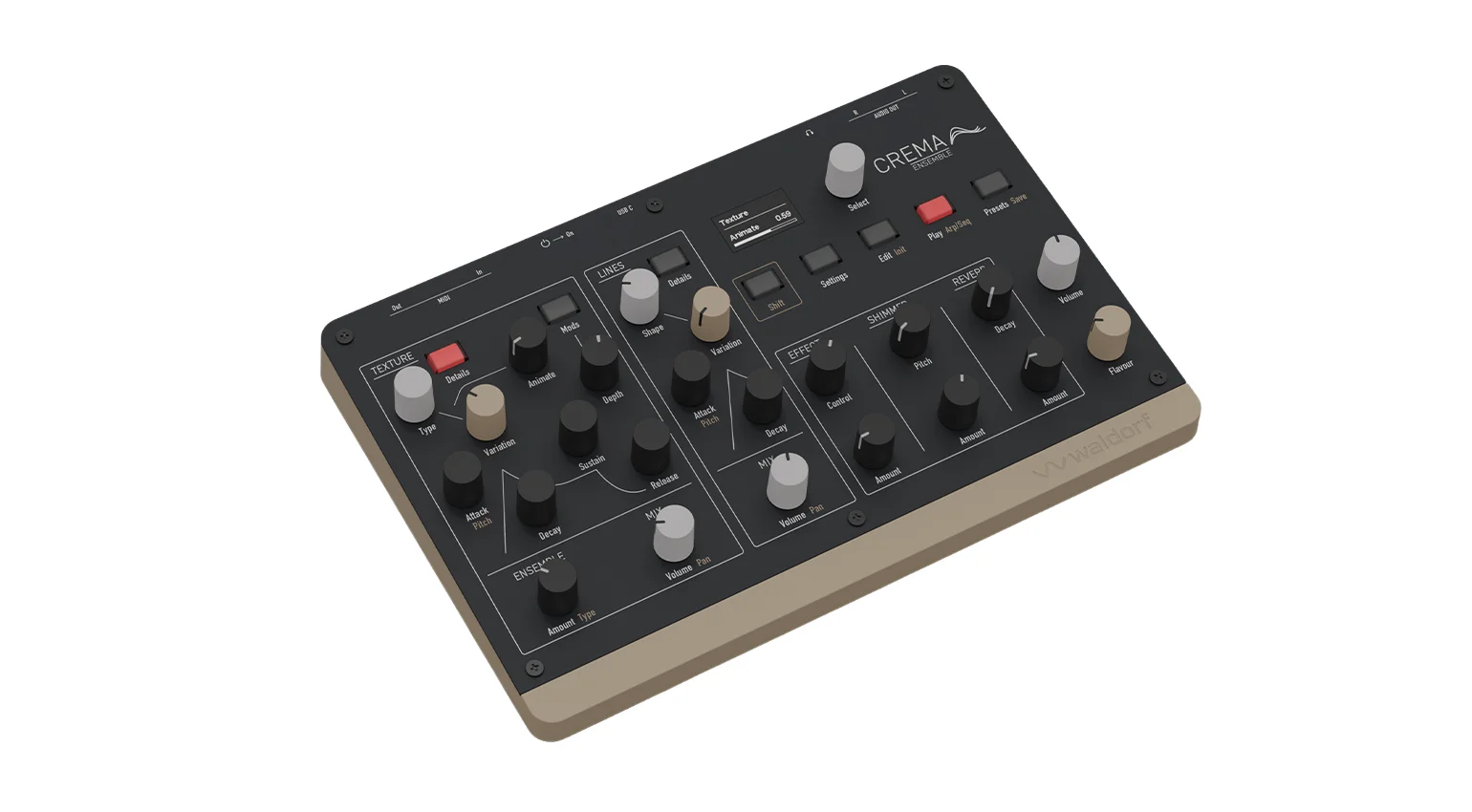
Waldorf's Crema starts with the Streichfett's string-synthesis architecture. Its Texture engine combines string-machine, wavetable and FM sounds across 24 sound types, with the familiar Ensemble treatment. A separate Lines engine supplies eight-voice virtual-analogue synthesis, using two detunable oscillators for bass, lead or an additional chord layer.
The engines can receive separate MIDI channels. Two effects processors offer serial or parallel routing, alongside a dedicated Shimmer reverb. The Flavour knob introduces small variations in pitch and wave position without requiring individual modulation assignments. Weighing 0.9 kg, the USB-C-powered desktop instrument includes stereo outputs and a headphone connection. Waldorf also lists MPE support.
▍EarthQuaker Devices gives Plumes Jr and Blumes Jr MOSFET clipping
EarthQuaker Devices' Plumes Jr and Blumes Jr MOSFET Mod put the drives into narrower enclosures while retaining Level, Gain and Tone controls and three clipping modes. Two modes preserve LED clipping and op-amp gain without soft-clipping diodes; the third replaces the original asymmetrical silicon arrangement with MOSFET clipping.
Plumes Jr is voiced for guitar, while Blumes Jr retains its emphasis on lower frequencies, with more gain and bass. EarthQuaker describes the MOSFET setting as favouring low-end bite and sustain; its combined demonstration lets listeners compare both pedals. These are limited runs, with the standard Plumes and Blumes remaining in production.
▍Pittsburgh Modular Microvolt 3901 connects its hardware history in software
Pittsburgh Modular's Microvolt 3901 begins with component modelling of the Microvolt 3900, then reaches beyond a single instrument. Oscillators from the Lifeforms SV-1 and Voltage Lab mini join the Double Helix and DNA digital waveform processors in a patchable software synthesiser. Audio and modulation signals can travel between modules to build polyphonic patches.
Its 19 effects, including BBD delay, phaser, resonators and distortion, can be patched inside the synthesis path as well as placed at the output. A touch keyboard and 16-step sequencer sit alongside external MIDI control. The macOS and Windows versions are available as standalone applications and plugins, with a seven-day trial. The product page still lists the iPad edition as forthcoming.
▍FabFilter Twin 3.10 adds per-note pitch and expressive modulation
FabFilter Twin 3's version 3.10 brings expressive playing into the four-oscillator software synthesiser. With MPE enabled, pitch bend works per note, while pressure and Timbre can address modulation destinations. The new Lift input reads note-off velocity: one use is changing an envelope's release time according to how a note is released. VST3 Note Expression is also supported.
The factory library has been adapted for MPE controllers, with more than 200 additional presets. Older patches gain per-note pitch bend and pressure, but Timbre and Lift require appropriate modulation routings. The update is free for existing Twin 3 owners and fixes an arpeggiator problem that could cause lost synchronisation or repeated notes under heavy MIDI-controller traffic.
▍MADOO Typ831 pairs a single planar driver with a gold-coated passive radiator
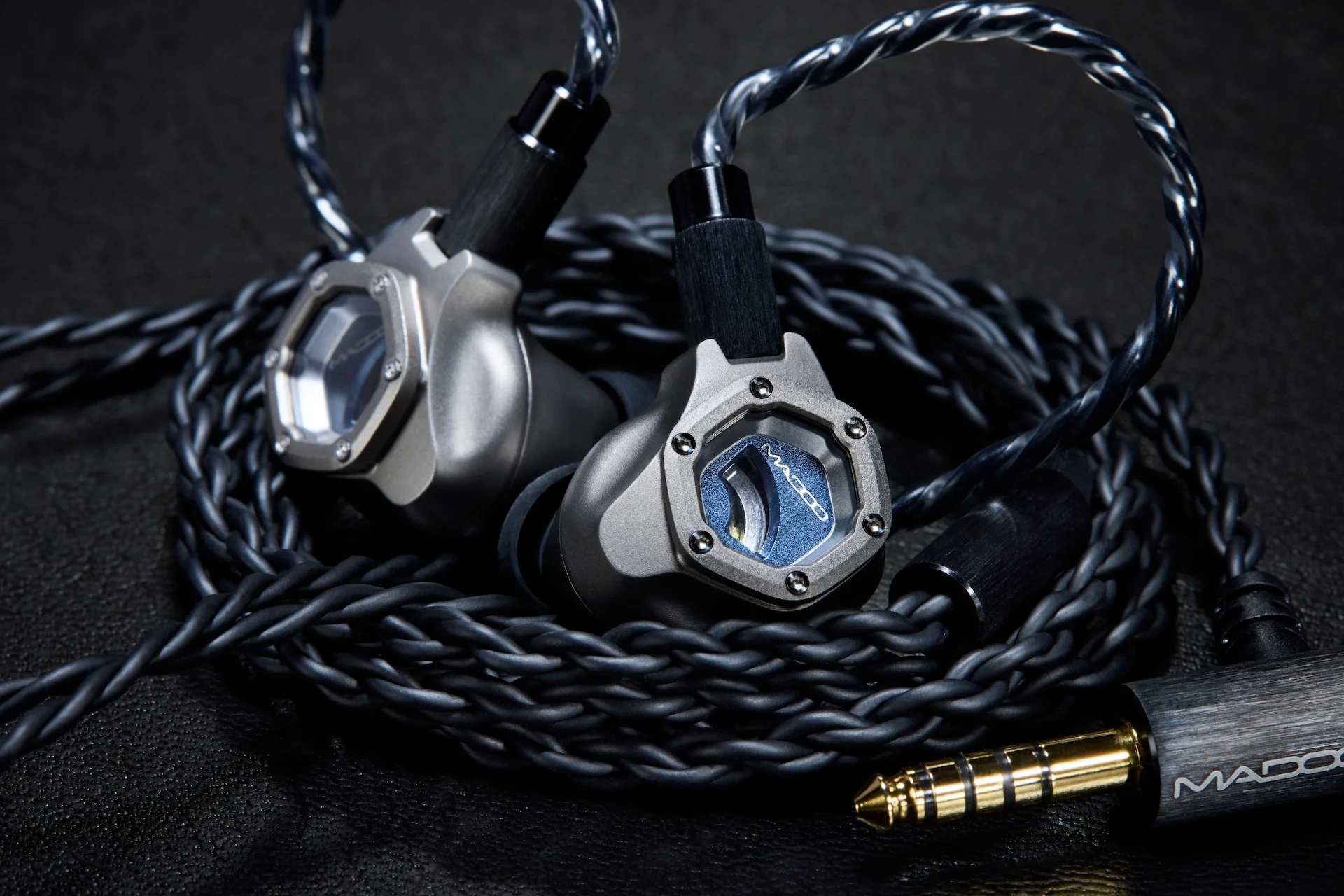
MADOO's Typ831 continues the single-planar approach of the Typ821, using a 12mm Ortho Dual Motion driver derived from the flagship Typ930 to reproduce the full frequency range. Behind it sits a gold-coated passive-radiator membrane with a brass mass damper. MADOO says this arrangement regulates pressure in the ear canal to reduce the enclosed sensation and unwanted resonances of a sealed in-ear design.
The CNC-machined pure-titanium housing has a hexagonal sapphire-crystal window, exposing the mechanism and its deep-blue detailing. Made in Japan, the Typ831 includes an MRC023 silver-plated copper cable with Pentaconn Ear connectors and a 4.4mm balanced plug. It first went on sale in Japan on 18 September.
▍Acoustune XHS1400 takes its interchangeable chambers into a wired series
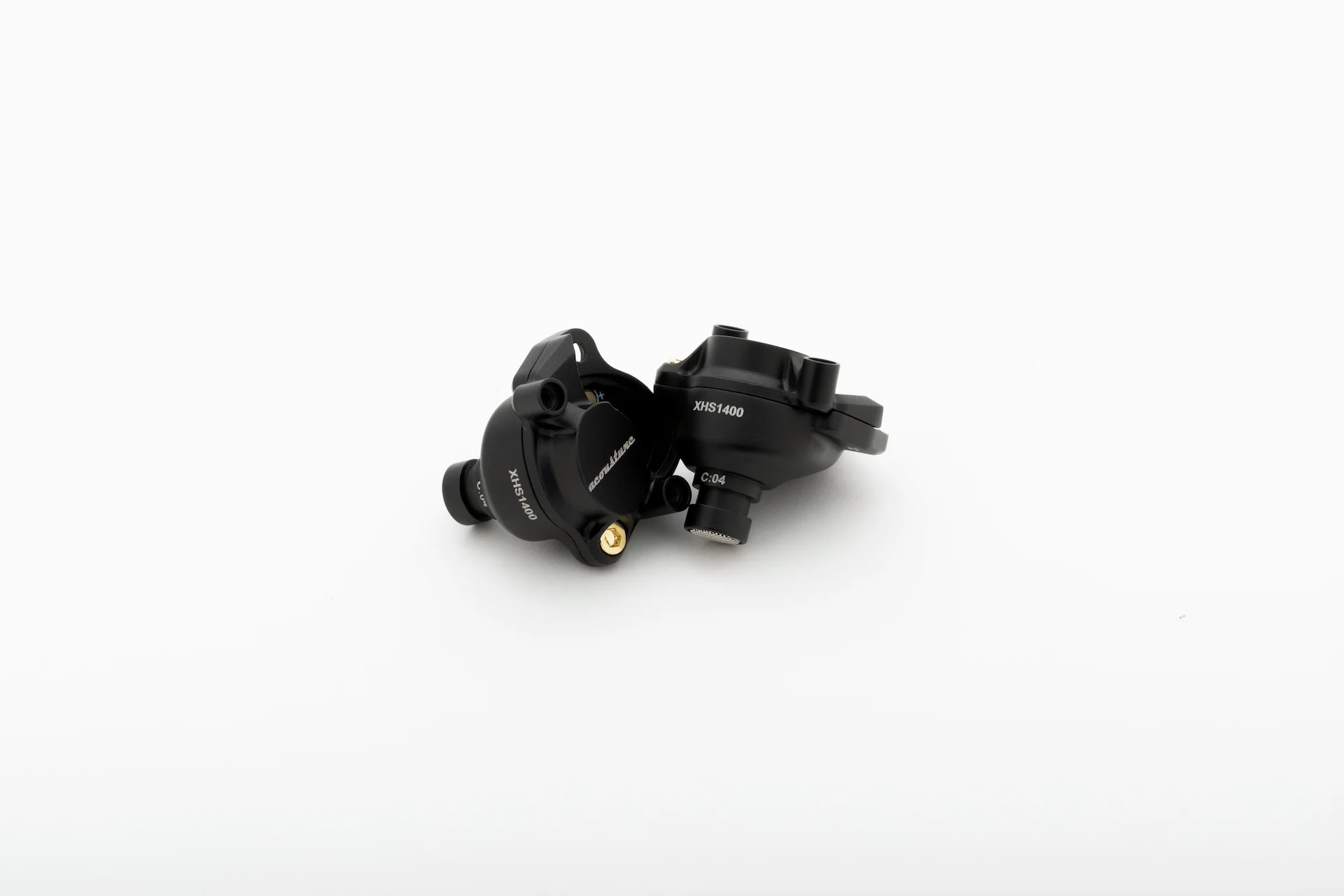
Acoustune's XHS1400 brings the HSX1001's interchangeable construction to a new wired series. It combines a C:04 acoustic chamber with an M:04 wired module. The new Myrinx dynamic driver uses a lithium-magnesium-alloy dome inside an aluminium housing, while the included ARC83 oxygen-free copper cable terminates in a 4.4mm balanced plug.
The chamber can also fit the HSX1001's M:01 wireless module, keeping the same driver when moving between wired and wireless listening. Conversely, the M:04 wired module accepts other compatible HSX1001 chambers. Wireless modules and alternative chambers are sold separately. Made in Japan and offered in black or gold. Japanese sales began on 30 October.
▍HEDD TYPE 40 expands main monitoring with XTD modules
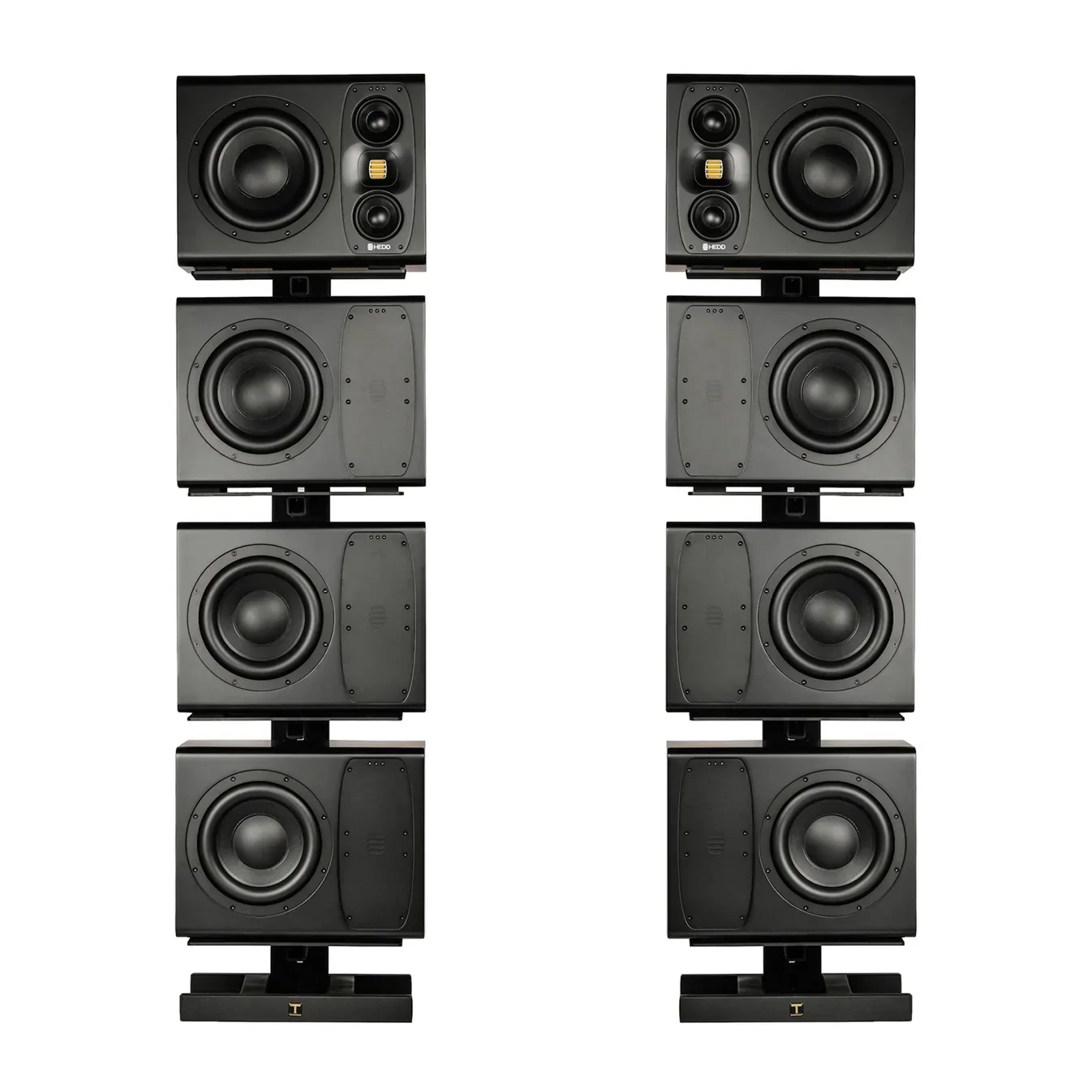
HEDD Audio's TYPE 40 Main is a sealed three-way main monitor, with two midrange drivers flanking an AMT tweeter and a separate woofer. It works as a full-range monitor on its own. For greater low-frequency headroom, each channel can add up to three powered XTD modules underneath the Main, retaining the original monitor.
The XTDs support closed or ported operation, with front-firing and cardioid configurations. The latter address rearward bass radiation; HEDD says the reduction towards the wall behind the monitors depends on the configuration. Onboard processing handles time alignment, while HEDD CTRL manages settings over Ethernet. A lowest-latency mode serves recording, with both analogue XLR and AES/EBU digital inputs provided.
▍Apple previews a November Logic Pro update for sound discovery and drum separation
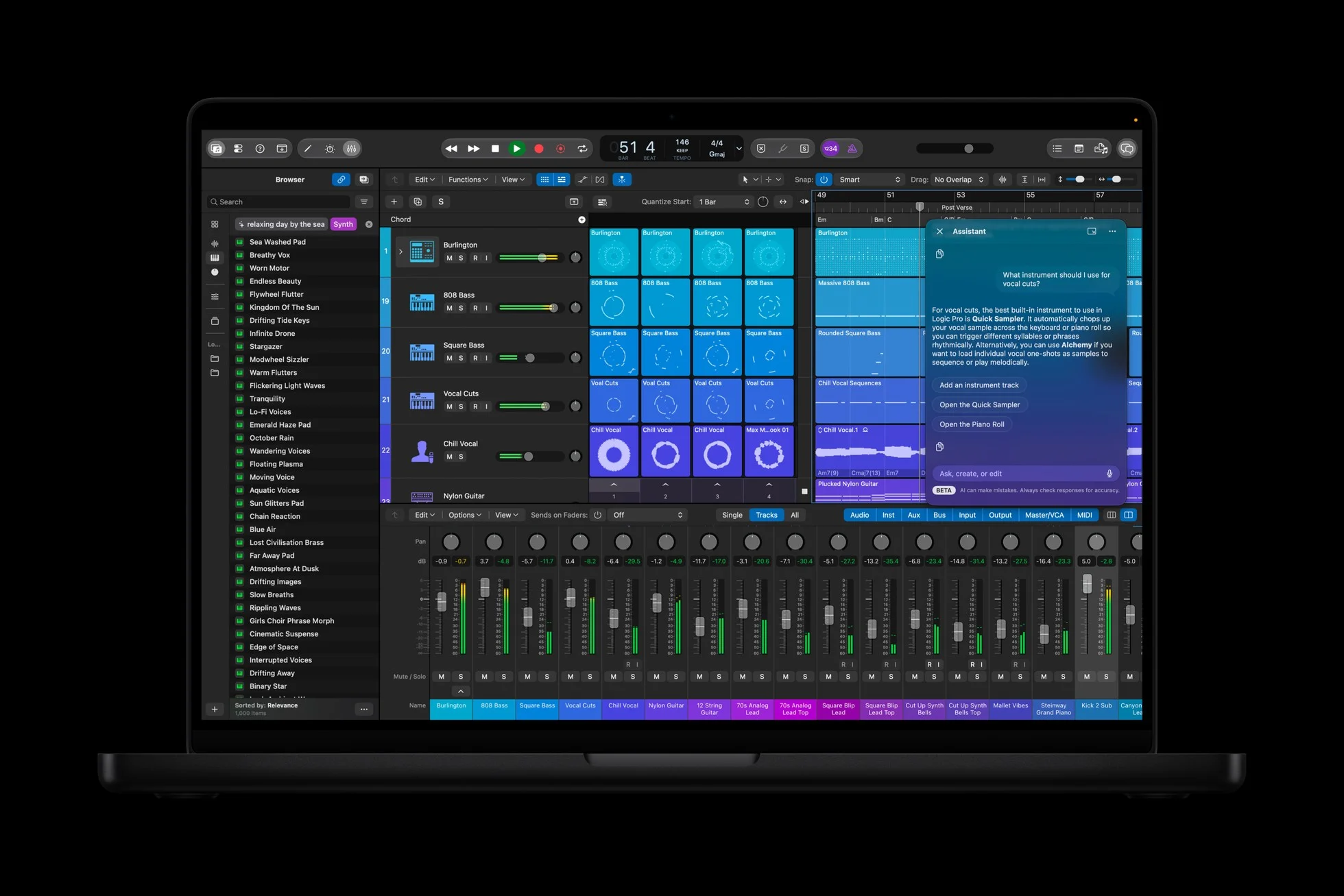
Apple's forthcoming Logic Pro update expands Stem Splitter to separate parts within a drum recording, allowing them to be replaced or rebalanced. A redesigned Mac Browser brings loops, instruments and effect patches together, using on-device analysis to classify and tag added sounds. Dropping in a loop can also surface similar material.
A beta assistant for Mac can help set up recording tracks and navigate production tasks. It requires an Apple Intelligence-capable Mac running macOS 27 Golden Gate or later, and currently supports US English only. Apple plans to release the updates in November, free for existing Creator Studio subscribers; an exact date has not been announced.
Deeply rooted in the Hong Kong live music scene, GIGzine is committed to promoting local music culture. We provide the latest gig guides, alongside artist interviews and in-depth columns that explore the creative stories behind the music. Whether you're searching for your next gig or discovering new sounds, GIGzine is your starting point to connect with Hong Kong's music!