Feature|DIIV: A Chronicle of Water (and the Ocean)
Updated at: 2026-07-07
Authors: Lance Chan
Around 2011, Brooklyn, New York was immersed in a wave of dream-pop driven by independent labels like Captured Tracks. For Zachary Cole Smith — at the time still a member of Beach Fossils — dreams probably felt like the rhythm of deep oceans and tides. Flowing like water, Zachary met a handful of like-minded musicians, and together they formally founded DIIV. This meeting of minds was destined to leave one of the most distinctive watery imprints on contemporary independent shoegaze.
At first glance the band's name seems cryptic, but it actually comes from "Dive," which directly reveals their fascination with the imagery of water. Listening to early DIIV feels like watching sunlight shimmer across a summer sea. The band's signature interplay — Zachary's guitar weaving with Andrew Bailey's — produces interlocking phrases that mirror and thread through one another with precision, like a rhythm of rising and sinking. Though the melodies sound so bright and weightless, the vocals are deliberately pushed back, submerged in a thick wall of sound, as if a lonely soul were diving underwater to escape the noise of the real world.
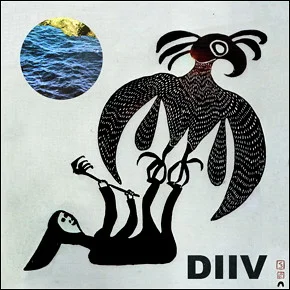
In 2012, their debut album *Oshin* arrived and immediately carried DIIV to the crest of the wave. It was a stunning first outing: on the standout track "How Long Have You Known," Cole's repeated, chant-like refrain gives shape to a kind of summer loneliness and wistfulness. The sea and water are inseparable from summer — even beneath a blazing sun, don't we recall a dizzying, disoriented feeling from our youthful days? *Oshin* — meaning "ocean" — conjured the psychedelic, almost feverish sensation of a beach in summer, and it was this record that made DIIV's name, earning them recognition as rising stars of neo-shoegaze.
When summer ends, that carefree, hazy feeling gives way to anxious uncertainty — nothing lasts forever, and a summer once past can never come again. Like the old parable of marking a boat to find a sword that fell overboard — the sword is already gone no matter where you search — we can never hold on to seawater or memory; both keep flowing away forever. Water can feel affectionate one moment and utterly indifferent the next.
Following *Oshin*'s success, Zachary fell into a serious spiral of drug addiction. In 2013 he was arrested for heroin possession, and his relationship with supermodel girlfriend Sky Ferreira was blown up by the tabloid press; the band came close to breaking up altogether. This storm shattered *Oshin*'s clear, sunlit illusion completely. DIIV came face to face with a painful fate, and the water turned murky and disorienting.
After weathering that storm, DIIV delivered the sprawling 17-track double album *Is the Is Are* in 2016. It was a raw, visceral confession born under the shadow of addiction, its arrangements turning darker and more jittery. The lead single "Dopamine" wraps despairing lyrics in an addictively catchy melody, laying bare the rush that dopamine brings and the guilt that follows in its wake. Zachary exposed the full extent of his fragility and collapse; it was heartbreaking to witness, and it made clear the band was teetering on the edge between life and death — every performance felt like a harrowing act of spiritual withdrawal.
2019's *Deceiver* marked the most dramatic — and most admirable — transformation DIIV had undergone since forming. Zachary was entering a new chapter in his life, and for the first time the whole band wrote together as a collective. Like waves crashing against the shore, they underwent a radical shift, walking back toward the sea. They abandoned their earlier sound in favor of a thick, grimy wall of noise, where clarity and murk blurred together and every rise and fall of the tide seemed to live inside the band members themselves. The record has been read as a tribute to '90s grunge and slowcore, and fans who'd grown used to the band's dreamier pop sensibilities were quickly won over by this heavier, more orthodox strain of shoegaze.
Looking back at the arc of their first three albums, this was DIIV's process of healing through "digging inward." From the escapist diving of *Oshin*, to the swamp-bound struggle of *Is the Is Are*, to the reconciliation with one's past self on *Deceiver*, DIIV's music — mirroring their own lives — completed one soulful transformation after another, like water finding a new shape. Through music, they met the pain in their lives head-on, no longer indulging in purely private confession. This psychological maturity and newfound stability laid a solid foundation for them to move toward something broader — something concerned with collective fate rather than just their own.
By 2024, DIIV returned with their fourth album, *Frog in Boiling Water*, widening their lens from personal pain to contemporary collective anxiety. They use the metaphor of a frog boiling in water to describe how late capitalism and technology are slowly consuming the human soul. The arrangements became more restrained and detailed, carrying a post-rock sense of flow, with guitar tones resembling a viscous liquid being slowly heated. On tracks like "Brown Paper Bag," that apocalyptic anxiety never tips into didacticism; instead, it vividly captures the powerless struggle of modern people trapped inside a numbing system.
This repressed condition of the times found its most cathartic release on the live album that followed, *Boiled Alive*. Early DIIV often seemed loose and unfocused on stage, but today they've become a unit that fuses the precision of a clock with the force of a storm. On this live record, the icy, austere songs from *Frog in Boiling Water* collide and roar against the walls of sound from their older material within a physical space. The energy of their live shows is no longer simply the band venting its own emotions — it has become a kind of magnetic field, drawing the fans in the crowd together through a shared, collective sonic bombardment.
DIIV's decade-plus journey has been an epic of ongoing encounters — between frontman, band members, celebrity, era, and fans. They didn't die inside the bubble of youth and tabloid gossip; they survived, and with every scar and every transformation they've proven music's enduring vitality. When you put on your headphones, the layered walls of sound and interlocking melodies stop being mere notes — DIIV is reaching out a hand, leading you through personal loneliness and the confusion of the age, connecting you to a vaster, deeper musical space where the soul can finally rest.